Blog
Organizing a high-end celebration involves a delicate balance between logistical precision and emotional depth. It is no longer enough to simply host an event; modern hosts aim to create a multi-layered experience that resonates with guests long after the final toast. This requires a shift in perspective, moving from a checklist-driven approach to one that prioritizes the human element of the celebration. By understanding how environment, timing, and cultural context interact, you can transform a standard itinerary into a meaningful journey for everyone involved.
In the following sections, we will examine the core pillars of a successful event: from the subtle art of cultural integration and the logistics of group travel to the psychological impact of reception layouts and the techniques behind truly candid photography. Whether you are navigating the complexities of a destination wedding or refining the details of a local black-tie affair, these insights will help you foster a sense of effortless luxury and genuine connection.
Enhancing the Guest Journey through Cultural Authenticity and Seamless Logistics
When guests travel for a celebration, they aren’t just looking for a party; they are looking for a sense of place. Integrating local culture is a sophisticated way to elevate the experience, but it must be handled with nuance to avoid the “tourist trap” feel. Authenticity comes from meaningful collaboration with local artisans and experts rather than superficial décor. For example, instead of a generic performance, consider incorporating a local craft demonstration or a menu featuring ingredients sourced within a few miles of the venue.
Multigenerational Excursions and Group Travel
Planning activities for a diverse group requires a strategic approach to accessibility and interest levels. A successful group excursion must accommodate both the energy of toddlers and the physical comfort of grandparents. When selecting activities, prioritize private access to sites to avoid crowds and ensure a controlled environment. Key considerations for group logistics include:
- Accessible Transport: Ensure vehicles are climate-controlled and have low entry points for those with limited mobility.
- Flexible Duration: Offer a “half-day” exit option for guests who may tire easily.
- Hydration and Shade: Always provide essentials at every stop, particularly in warmer climates.
The Strategy of Welcome Bags
The welcome bag is the first physical touchpoint of your event. To make it impactful, strike a balance between local artisanal goods and practical travel essentials. A bottle of high-quality local olive oil or a hand-woven textile tells a story, while high-SPF sunscreen or electrolyte packets show a thoughtful concern for guest well-being. This duality ensures that the gift is both a memento and a utility.
Avoiding the Common Transport Error
One of the most frequent logistical failures occurs during the transition to remote excursion sites. A single transportation error, such as a lack of clear signage or failing to account for local traffic patterns, can leave guests stranded and frustrated. To prevent this, implement a “buffer system” where backup vehicles are on standby and every driver is equipped with a direct line to the lead coordinator.
Strategic Scheduling to Prioritize Comfort and Personal Connection
The rhythm of an event dictates how guests feel. A common mistake is over-scheduling, which can lead to exhaustion. Research into guest satisfaction suggests that providing approximately four hours of unstructured time daily significantly improves the overall mood. This allows individuals to recharge, explore on their own, or simply enjoy the amenities of their accommodation, making the moments they spend together feel more intentional.
The Timing of High-Energy Activities
Energy management is a science. High-energy activities, such as loud music or interactive games, should be scheduled relative to the main ceremony with care. Placing intense activities too close to a solemn ceremony can disrupt the emotional flow. Instead, use transitional periods to build momentum gradually, allowing the ceremony to remain the emotional peak before shifting into a celebratory gear.
Carving Out “Just Us” Moments
For the hosts, a packed schedule often leaves little room for reflection. It is vital to intentionally schedule “Just Us” moments—short 15-minute breaks throughout the day where the couple can step away from the crowd. These pauses act like a reset button, allowing you to actually process the significance of the day rather than just performing for the audience.
Designing Atmospheres that Foster Intimacy and Sensory Memories
Visual impact is often the first thing people notice, but emotional resonance is what they remember. When managing a décor budget, prioritize elements that guests will interact with closely. For instance, while a massive floral installation at the entrance has high visual impact, the tactile quality of the linens and the comfort of the chairs at the dinner table have a deeper emotional resonance because guests spend hours in that space.
Reception Layouts and Conversation
The shape of your tables can make or break the atmosphere. While round tables are traditional, they often hinder conversation; the large diameter creates a physical distance that makes it difficult to speak to anyone other than those immediately adjacent. In contrast, long King tables allow for cross-table dialogue and create a more communal, banquet-style feeling that is inherently more intimate, even for large groups of 200 or more.
The Subtle Power of Scent and Rules
Scenting an event is a sophisticated detail that elevates the luxury perception by engaging the olfactory system, which is directly linked to memory. A signature scent, diffused subtly through the venue, can become a sensory anchor for the day. Additionally, establishing boundaries like an “unplugged” rule—when communicated with grace—ensures that high-profile guests feel secure and that everyone stays present in the moment rather than viewing the event through a screen.
Capturing Genuine Emotions through Relaxed Photography Techniques
The best photos are rarely the ones where people are staring at the lens. Candid photography relies on transition times—those “in-between” moments when people are moving from one place to another or reacting naturally to a situation. These shots capture the true spirit of the event because the subjects have dropped their “camera face.”
Overcoming Camera Shyness
Many people feel awkward in front of the camera, which can lead to stiff, unnatural photos. To combat this, use the Turtle Technique: a simple physical adjustment where you slightly extend your neck forward and down to define the jawline and eliminate shadows. Focusing entirely on your partner or an activity rather than the photographer also helps the camera fade into the background. Using props or engaging in a specific task—like pouring a drink or walking—gives the hands something to do and naturally relaxes the body’s posture.
- Focus on Interaction: Speak to your partner about a specific memory to trigger genuine facial expressions.
- Movement is Key: Slow, steady movement creates a more dynamic and less “posed” look in spontaneous shots.
- Ignore the Command: The hardest part of ignoring the camera is resisting the urge to check if the photographer is ready. Trust the professional and stay in the moment.
By integrating these logistical, aesthetic, and behavioral insights, you can create a celebration that feels both professionally polished and deeply personal. True expertise lies in the ability to manage the complex machinery of an event so effectively that the guests only ever experience the magic of the moment.
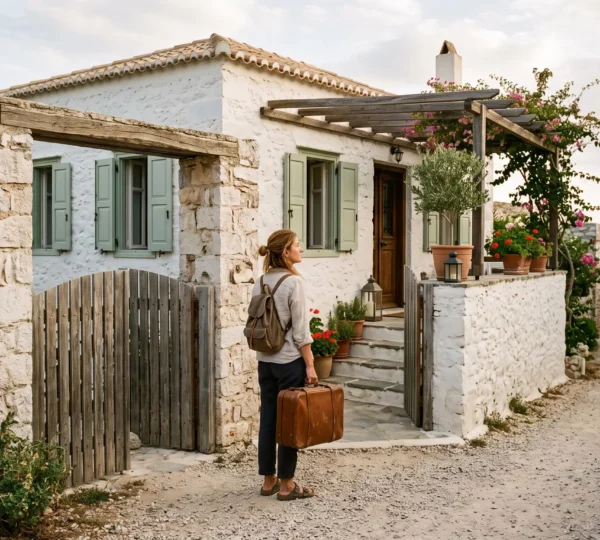
What Should You Look for When Renting a Luxury Villa on Île de Ré?
When you’re paying for a luxury villa rental Île de Ré, the biggest risk isn’t “finding something pretty”—it’s paying a premium for quality you can’t actually verify from a listing. On a seasonal island, two villas can look equally impressive…
Read more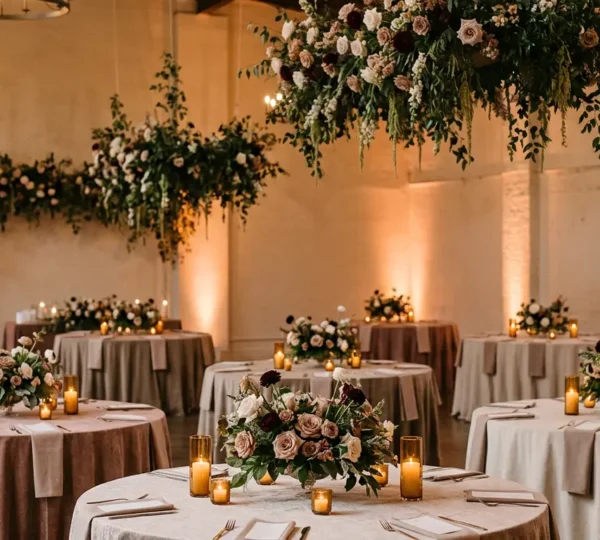
How to Style a Venue That Clashes with Your Color Palette?
The secret to fixing a venue that clashes with your vision isn’t to hide its flaws, but to strategically out-design them. Create powerful “islands of perfection” at eye-level that command attention and make ugly carpets or wallpaper fade into the…
Read more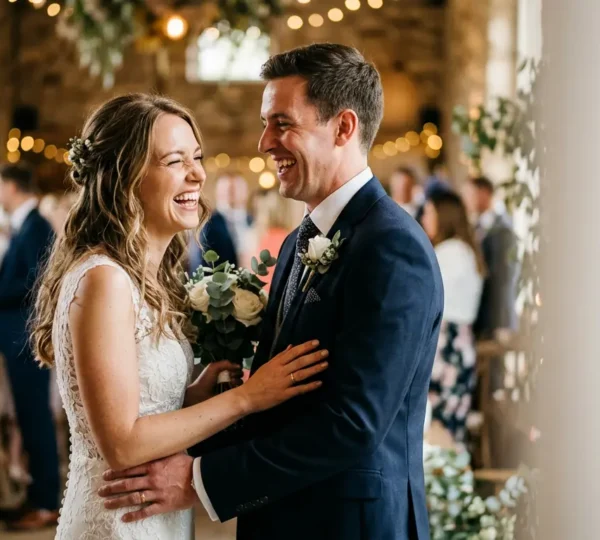
How to Get Natural, Candid Photos if You Feel Awkward on Camera
In summary: Feeling awkward in photos often stems from the “spotlight effect”—the belief you’re being scrutinized more than you are. The secret isn’t to “ignore” the camera, but to actively redirect your focus with tangible actions and sensory anchors. Engaging…
Read more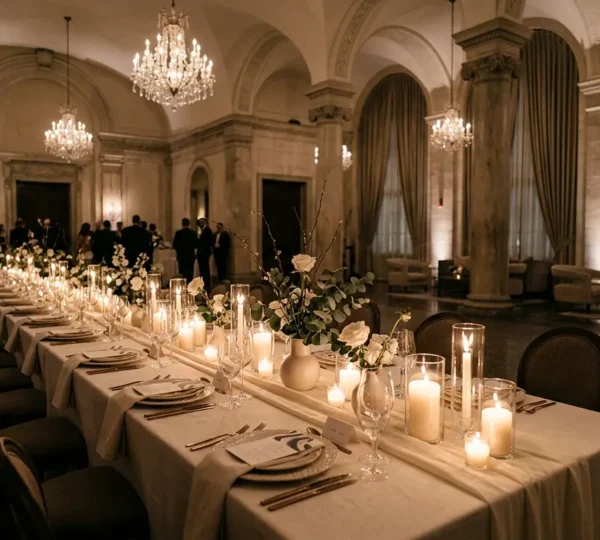
How to Create a Sense of Intimacy for a Black-Tie Wedding With 200 Guests?
True intimacy in a grand wedding is not about reducing scale, but about masterful emotional choreography. Intimacy is a designed experience, built through a sequence of sensory and personal touchpoints that guide guest emotion and attention. Prioritizing “emotional resonance” over…
Read more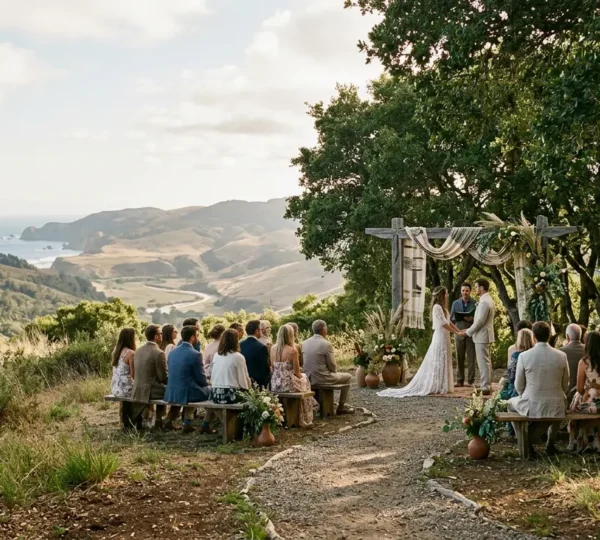
How to Blend Local Culture Into Your Itinerary Without It Feeling like a Tour Group?
The secret to an authentic destination wedding experience isn’t scheduling more local activities; it’s architecting a framework of curated freedom that empowers guests to discover the culture on their own terms. Prioritize significant unstructured time (at least 4 hours daily)…
Read more