City Weddings
Planning a wedding in a bustling metropolitan setting offers an experience unlike any other. The city wedding transforms urban architecture, skyline views, and cosmopolitan energy into the backdrop of your celebration. Yet this distinctive appeal comes with equally distinctive challenges that suburban or rural venues simply do not present.
From navigating freight elevators and loading docks to understanding why your venue might enforce a strict 10 PM music curfew, urban celebrations require a different planning mindset. The couple who masters these nuances gains access to venues and experiences that feel genuinely sophisticated—industrial lofts with exposed brick, rooftop terraces overlooking glittering towers, or elegant hotel ballrooms steps from iconic landmarks.
This resource explores the essential considerations for city wedding planning: venue selection across different urban property types, the logistics that can make or break your timeline, technical challenges unique to metropolitan spaces, and the contractual details that protect your budget. Whether you are drawn to a blank canvas loft or a full-service hotel, understanding these fundamentals positions you for a seamless urban celebration.
Selecting the Right Urban Venue Type
City venues fall into distinct categories, each with characteristic advantages and operational realities. Your choice shapes not only the aesthetic of your wedding but also the logistical complexity you will manage.
Industrial Lofts and Blank Canvas Spaces
The appeal of a blank canvas venue—typically an industrial loft, warehouse, or converted commercial space—lies in complete creative control. You design every element from the ground up. However, this freedom carries significant cost implications that surprise many couples.
Unlike hotels or traditional venues, blank canvas spaces require you to rent nearly everything:
- Tables, chairs, and linens
- Catering equipment and kitchen facilities
- Lighting and sound systems
- Climate control solutions
- Restroom facilities or upgrades
A space with a lower base rental often exceeds hotel pricing once you account for these necessities. Budget approximately 40-60% more than the venue fee alone for furnishing costs.
Rooftops Versus Floor-to-Ceiling Windows
Both options deliver the skyline experience that draws couples to city venues, but they create different planning scenarios. Rooftop venues provide open-air drama and unobstructed views, yet introduce weather dependency that requires tent rentals or indoor backup plans.
Floor-to-ceiling window venues offer climate-controlled reliability with equally impressive vistas. The trade-off involves managing reflections for photography and potential heating challenges in winter when cold radiates through glass surfaces. Consider when your guests will experience the view—daytime ceremonies showcase architectural detail, while evening receptions capture city lights.
Hotels: Boutique Properties Versus Major Chains
Hotel venues eliminate many logistical headaches through integrated catering, furniture, and coordination services. The choice between boutique and chain properties involves balancing personalization against infrastructure.
Boutique hotels typically offer more flexible customization and dedicated attention, with staff who remember your preferences. Larger chain properties provide robust logistics teams, multiple backup spaces, and often superior loading dock access for vendors. Neither option is universally better—the right choice depends on your guest count, customization priorities, and how much vendor coordination you want to manage independently.
Mastering Urban Wedding Logistics
Logistics separate smooth city celebrations from stressful ones. Urban environments introduce constraints that require advance planning and clear vendor communication.
Load-In Challenges Without Dedicated Parking
Many city venues lack loading zones or parking facilities, forcing vendors to navigate street parking, metered spots, or distant parking structures. Florists, caterers, and equipment rental companies need clear instructions about:
- Nearest legal loading zones and time restrictions
- Building access points and security protocols
- Elevator reservations or service entrance availability
- Street closure possibilities for larger installations
Discuss these details with your venue manager during the booking process, not weeks before the wedding.
The Freight Elevator Factor
In multi-story urban venues, the freight elevator becomes your critical bottleneck. A single elevator serving multiple building tenants or events can delay dinner service by an hour or more when caterers cannot transport food efficiently.
Request dedicated freight elevator time slots in your venue contract. Specify load-in windows for each vendor category and build buffer time between arrivals. Many experienced city couples schedule vendor arrivals in waves rather than simultaneously.
Guest Transportation Solutions
Urban traffic patterns make guest transportation a strategic decision. The choice between providing shuttle service or distributing ride-share codes depends on several factors:
- Distance between ceremony, reception, and guest accommodations
- Typical traffic density during your event timing
- Guest demographic and comfort with ride-share applications
- Parking availability and costs at your venue
Shuttle services provide predictability and group coordination but require advance headcounts. Ride-share codes offer flexibility for guests arriving from different locations but leave arrival timing less controlled.
Technical Challenges in Urban Spaces
Non-traditional urban venues present technical requirements that traditional event spaces handle automatically. Understanding these challenges helps you budget appropriately and avoid day-of surprises.
Acoustic Management in Industrial Lofts
Concrete floors, exposed brick, and high ceilings create reverberant spaces where sound bounces harshly. Without acoustic treatment, speeches become unintelligible and music sounds muddy. Effective solutions include:
- Strategic textile placement—draped fabric panels, upholstered furniture, table linens
- Professional sound engineering with directional speakers
- Carpeting or rugs in ceremony and dining areas
- Suspended acoustic panels in extreme cases
Discuss acoustic conditions with your DJ or band during venue walkthroughs. Experienced audio professionals adapt their equipment choices accordingly.
Climate Control in Unconventional Venues
High ceilings in industrial spaces create heating challenges during winter weddings, as warm air rises far above guest level. The volume of air requiring temperature management in a loft dramatically exceeds a conventional ballroom of similar floor space.
Verify the venue’s HVAC capacity for your season. Some blank canvas venues rely on portable heating or cooling units that generate noise and require fuel or power considerations. Request climate control specifications in writing before signing contracts.
Transforming Spaces for Multiple Functions
Many urban venues host both ceremony and reception in a single room, requiring a flip between events. Accomplishing this transition in 60 minutes or less demands precise choreography: staff assignments, furniture pre-positioning, and often a cocktail hour in a separate space to clear the main room.
Using furniture to create distinct zones—ceremony seating that converts to reception lounge areas—reduces flip complexity. Work with your coordinator to map exactly how each piece moves and who handles each task.
Navigating Hotel Wedding Contracts
Hotel venues simplify logistics but introduce contractual complexities that require careful attention. Understanding these terms protects your budget and expectations.
Privacy in Semi-Public Spaces
Hotels remain operational businesses serving other guests during your wedding. Lobbies, hallways, and common areas cannot be fully privatized. If you plan welcome drinks in the lobby or photos in public corridors, coordinate with hotel management to establish reasonable privacy measures without unrealistic expectations.
Understanding the Attrition Clause
The attrition clause represents one of the most significant financial risks in hotel wedding contracts. When you reserve a room block for guests, you typically guarantee that a minimum percentage—often 80% or more—will actually book rooms.
If fewer guests book than guaranteed, you pay the difference. On a 50-room block at premium city rates, this penalty can reach thousands in unexpected costs. Negotiate realistic guarantees based on honest guest counts, and understand the deadline for adjusting your commitment.
Extended Events and Hotel Amenities
Hotels offer opportunities beyond the main reception. A private post-wedding brunch in a reserved dining room creates more intimate morning-after time with close family than joining the general hotel buffet crowd. Similarly, arranging private welcome drinks in a reserved space rather than the open lobby maintains your wedding weekend’s exclusive atmosphere.
Discuss these add-on events during initial negotiations when you have maximum leverage on pricing and space allocation.
Capturing the City: Photography Considerations
Urban environments offer photographic backdrops unavailable elsewhere, but iconic locations come with crowds. Scout photo spots at the same time of day and week as your wedding to assess tourist density accurately.
Consider less obvious locations that deliver urban character without competition: quiet side streets with interesting architecture, private courtyards accessible through your venue, or elevated positions that capture skyline without street-level congestion. Many couples allocate time for first look portraits at carefully chosen locations before ceremonies, when lighting is optimal and crowds are lighter.
Coordinate with your photographer on backup locations and timing flexibility. Urban photo sessions benefit from local knowledge and the ability to adapt quickly when a chosen spot proves unexpectedly busy.
City weddings reward couples who embrace their unique planning requirements. The constraints of urban venues—noise ordinances, loading logistics, space transformations—become manageable challenges rather than unwelcome surprises when you understand them early. Each venue type presents distinct trade-offs worth evaluating against your priorities. With thoughtful preparation, the energy and sophistication of a metropolitan celebration creates an unforgettable backdrop for beginning married life.
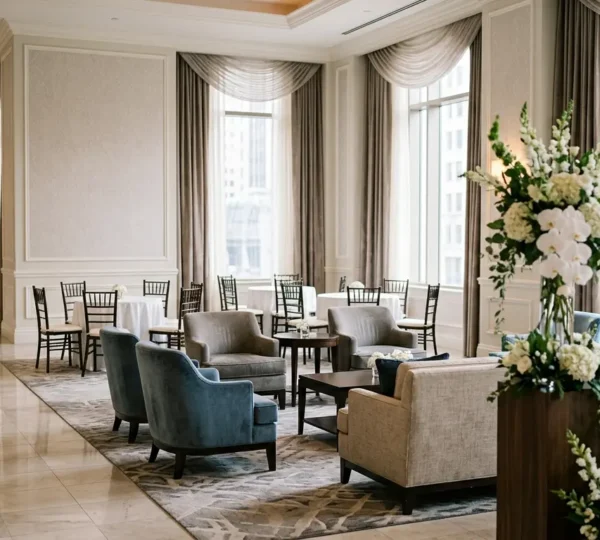
How to secure Privacy When Your Wedding is in a Hotel Open to the Public?
In summary: True wedding privacy is not about signs, but about designing an “invisible infrastructure” of control through contracts, logistics, and sensory cues. Prioritize “courtesy” room blocks over “guaranteed” ones to eliminate financial liability for unsold rooms, a common industry…
Read more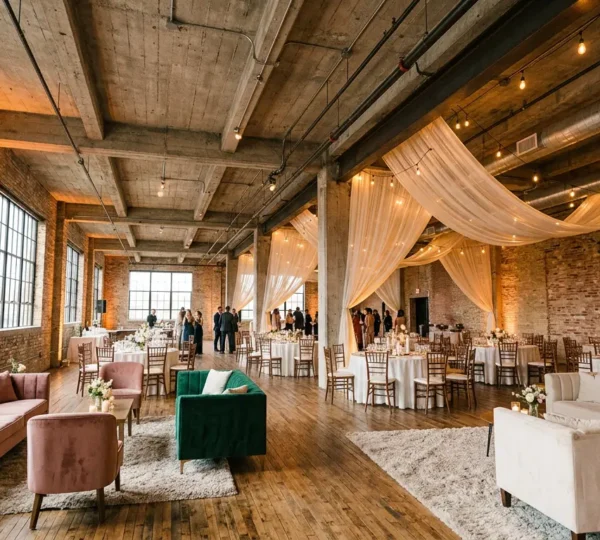
From Echo to Elegance: A Design-Savvy Guide to Softening Acoustics in an Industrial Loft Wedding Venue
The secret to a perfect industrial loft wedding isn’t just embracing the aesthetic; it’s strategically defeating the echo by treating every design choice as an acoustic tool. Raw, “blank canvas” venues often hide significant acoustic costs that surpass all-inclusive hotels,…
Read more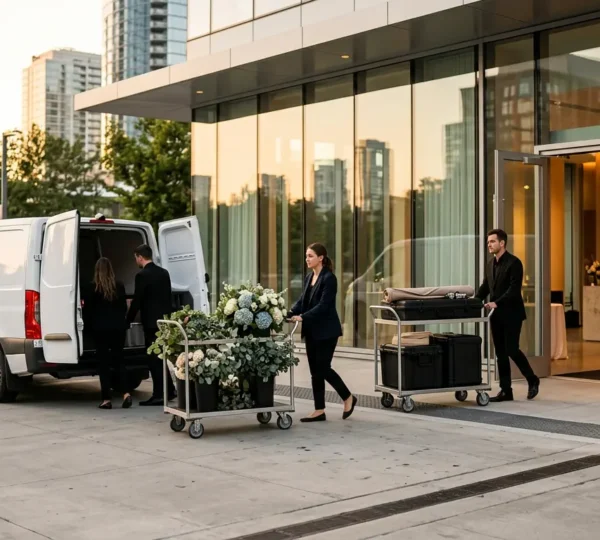
How to Manage Load-In Logistics for City Weddings with No Parking?
A flawless city wedding isn’t determined by the venue’s view, but by mastering the hidden logistics of vendor and guest flow. Critical “choke points” like freight elevators and narrow streets dictate your entire event timeline and can cause catastrophic delays….
Read more