In summary:
- Your tropical wedding “look” is a system; it depends on environmental and material choices, not just makeup products.
- Heat and humidity directly affect everything from your cake’s stability and your dress fabric’s integrity to your photography timeline.
- Understanding the science of the tropics is the key to making strategic decisions that ensure you look and feel flawless.
- Simple swaps, like Picaridin for DEET and modern synthetics for silk, can prevent logistical and aesthetic disasters.
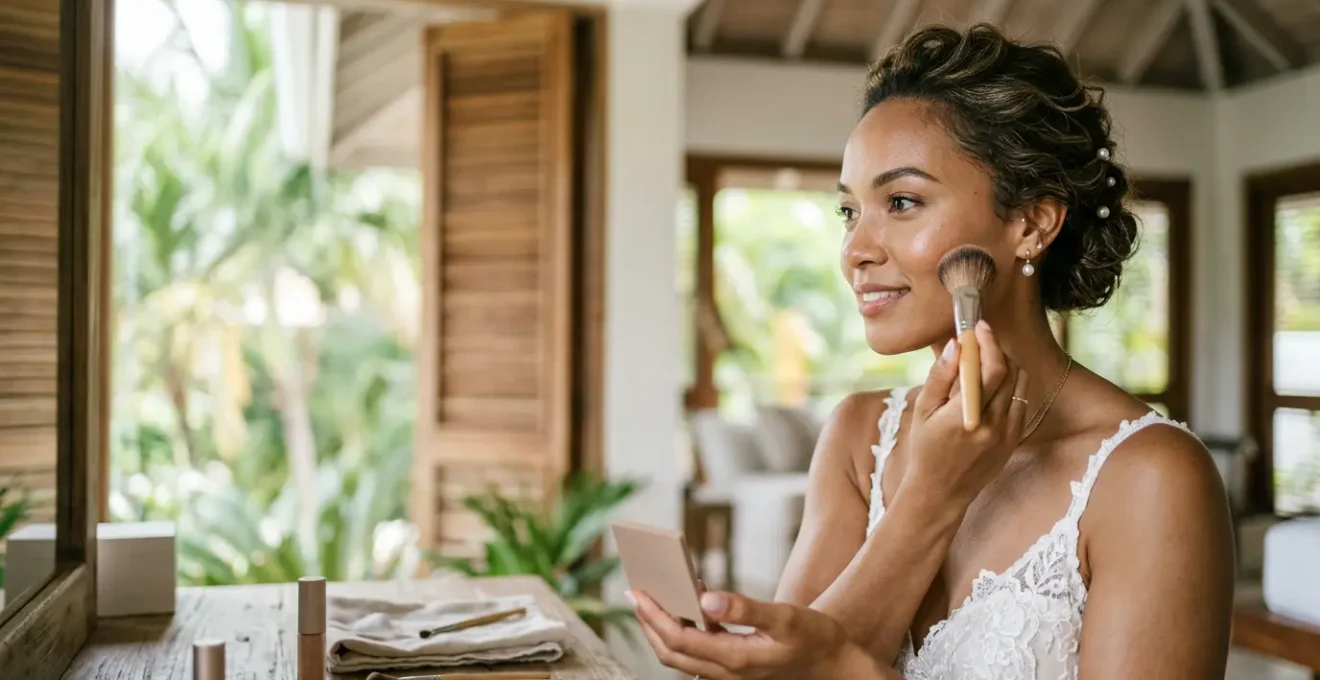
The vision is perfect: a gentle sea breeze, the soft glow of a setting sun, and you, looking absolutely radiant. The reality of a tropical wedding, however, often involves a formidable opponent: 90% humidity. Most advice centers on primers and waterproof mascaras, but these are merely last-ditch defenses. The real secret to a truly humidity-proof wedding look isn’t found in a makeup bag; it’s built through a series of smart, strategic decisions that start long before you sit in the makeup artist’s chair.
Forget the generic tips. A flawless tropical look is a holistic system. It requires you to understand the specific scientific challenges of the environment—from the accelerated melting point of a dairy-based cake to the surprisingly short window of perfect photographic light. It’s about anticipating how materials react to heat, how timing becomes critical, and how seemingly small choices, like the type of insect repellent you offer guests, can have disastrous consequences for your dress. This is where we move beyond the superficial and into real, solution-oriented strategy.
This guide will deconstruct the core environmental, material, and logistical realities of a tropical wedding. We will explore why certain conventional choices fail spectacularly in high heat and humidity, and provide you with the expert-backed alternatives that guarantee your look—and your entire event—maintains its integrity from the first photo to the last dance. By understanding the ‘why,’ you’ll be empowered to build a wedding day that is not just beautiful, but brilliantly resilient.
To navigate these critical decisions, we have broken down the essential elements you must consider. This summary outlines the key areas where a strategic approach will protect your wedding day aesthetic from the challenges of a tropical climate.
Summary: Mastering Your Tropical Wedding From a Systems Perspective
- Why You Must Avoid Dairy-Based Cakes at Outdoor Tropical Weddings?
- The Golden Hour Window: Why It’s Shorter in the Tropics?
- Open-Air Pavilion vs. Air-Conditioned Ballroom: The Trade-off for Tropical Views
- The Sand Fly Mistake That Ruins Sunset Ceremonies
- How to Make Water Stations Look Like Luxury Decor?
- Why Synthetic Blends Outperform Silk for Tropical Destinations?
- Raw Seafood Stations: The Risk vs. Reward in Tropical Destinations
- Film vs. Digital: Why Fine Art Photography Costs 30% More?
Why You Must Avoid Dairy-Based Cakes at Outdoor Tropical Weddings?
That stunning, multi-tiered buttercream cake you’ve screenshotted a hundred times is a structural liability in a tropical setting. The issue is simple physics: the primary ingredient, butter, has a low melting point. The moment the ambient temperature rises, the fat in traditional buttercream begins to lose its solid structure. According to comprehensive frosting heat-resistance testing, butter melts at 90°F to 95°F (32°C to 35°C), a temperature easily reached during an afternoon outdoor reception in the tropics. This means your cake isn’t just softening; it’s undergoing a foundational collapse.
The risk of a “cake-tastrophe” is not theoretical. It’s a common, heartbreaking reality for many couples who prioritize aesthetics over environmental stability. The visual is devastating: tiers begin to slide, intricate piping loses its definition, and the entire creation starts to lean, sweat, and ultimately slump into an unrecognizable mound of sugar and fat.
Case Study: The 85°F Buttercream Meltdown
A professional baker documented a real-world wedding cake failure that perfectly illustrates this risk. A vegan vanilla buttercream cake was displayed outdoors for a wedding where the temperature was a seemingly manageable 85°F (29°C). Despite being refrigerated until the moment of delivery, the cake began to visibly melt and slide approximately one hour after setup. This incident highlights a crucial truth: traditional dairy-based buttercream and its vegan equivalents simply cannot withstand prolonged exposure to tropical heat without specialized, and often flavor-altering, chemical stabilizers. The material integrity of the frosting was fundamentally incompatible with the environment.
To ensure your cake remains a showpiece and not a source of stress, opt for frostings with superior thermal management properties. Meringue-based buttercreams (like Swiss or Italian) have a higher stability. Better yet, consider fondant-covered cakes, which create a protective shell, or “naked” cakes with minimal frosting. The safest and often most delicious options for the tropics are cakes finished with a firm chocolate ganache or those that celebrate local, non-dairy ingredients like coconut cream and tropical fruits.
The Golden Hour Window: Why It’s Shorter in the Tropics?
The “golden hour,” that magical period just after sunrise or before sunset, is prized by photographers for its soft, warm, and dimensional light. In temperate climates, this window can last for an hour or more, offering ample time for romantic portraits. In the tropics, however, you must recalibrate your expectations. Near the equator, the sun descends at a much steeper angle, causing the transition from daylight to darkness to be incredibly rapid. This dramatically compresses the usable time for ideal photography.
This phenomenon, a matter of celestial mechanics, is a critical piece of logistical planning. As documented by professional photography planning tools, golden hour lasts approximately 40 minutes during equinox periods at the equator, but in practice, the most desirable light is even more fleeting. As the Remote Expeditions Photography Guide notes, “The famed ‘golden hour’ might only last for 20 to 30 minutes, and the subsequent blue hour is equally brief. This makes pre-planning absolutely critical.” This concept of compressed environmental timing means your photography schedule must be executed with military precision.
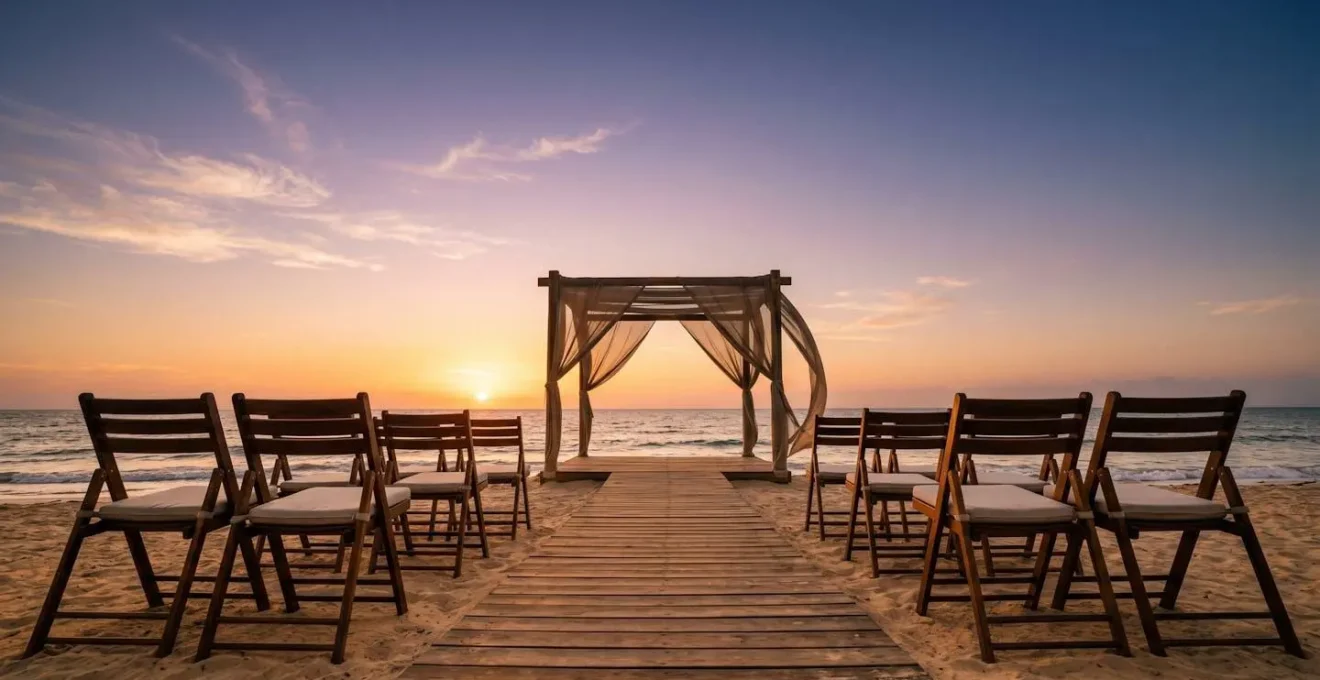
The practical implication is that there is no room for delay. Your ceremony must end on time, and you, your partner, and your photographer must be ready to move immediately to your chosen portrait locations. Any hesitation could mean the difference between a gallery filled with breathtaking, warmly lit images and a handful of rushed shots taken in rapidly fading, harsher light. Discuss this compressed timeline with your photographer and planner explicitly. Build a schedule that prioritizes this 20-30 minute window, ensuring all key portraits are captured before the light disappears entirely.
Open-Air Pavilion vs. Air-Conditioned Ballroom: The Trade-off for Tropical Views
Choosing between an open-air venue with stunning ocean views and a climate-controlled ballroom is one of the biggest decisions for a tropical wedding. While the allure of a natural backdrop is powerful, it introduces a significant challenge for your look: the constant exposure to humidity and heat. An air-conditioned space offers a sanctuary, preserving makeup and hairstyles, but it can create a jarring phenomenon known as “atmospheric shock.” This occurs when you repeatedly move between the cold, dry air of the ballroom and the thick, humid air outside.
This rapid transition from one extreme to another causes hair to frizz instantly as it absorbs moisture from the outside air. Makeup can also be affected, as the skin produces more oil to compensate for the dry indoor air, which then interacts with the humidity outside, potentially causing foundation to separate or slide. The choice isn’t simply about comfort; it’s about managing the environment to maintain your aesthetic. If your event involves moving between these two zones (e.g., cocktails outside, dinner inside), your hair and makeup strategy must be designed to withstand this shock.
I keep the layers light and set them gently with loose powder, especially if we’re outdoors. I also allow the humidity and the skin’s natural oils to work in my favour as they help the makeup melt in slightly and give a natural glow over time.
– Kat Zhang, Tatler Asia
Veteran makeup artist Kat Zhang’s approach highlights a pro-level strategy: work *with* the humidity, not against it. This involves using lighter product layers and embracing the natural “glow” that develops. For hair, this means choosing styles with strong hold or texture that are less prone to frizzing, or planning for a quick hairstyle change post-ceremony. The key is to acknowledge the trade-off and prepare for it, either by choosing a single environment or by building a look specifically designed for dual-environment durability.
Your Tropical Vendor Audit Checklist
- Venue: What is the backup plan for rain? Is there a climate-controlled “cool-down” room available for the wedding party even if the event is outdoors?
- Caterer/Baker: Do they have experience with outdoor tropical events? Ask for their specific menu/ingredient recommendations for heat resistance (e.g., ganache vs. buttercream, grilled items vs. delicate sauces).
- Florist: Which flowers do they recommend for their heat and humidity resilience? (e.g., orchids, proteas, anthuriums vs. delicate peonies or hydrangeas).
- Makeup Artist/Hairstylist: Ask about their strategy for “atmospheric shock.” Do they use airbrush makeup? What specific long-wear and anti-humectant products are in their kit?
- Photographer: Confirm their detailed timeline for the compressed “golden hour.” Do they have experience with the harsh midday tropical sun and know how to manage it with lighting or location choice?
The Sand Fly Mistake That Ruins Sunset Ceremonies
As the sun begins to set over the beach, another, less welcome, guest often arrives: sand flies or “no-see-ums.” Providing insect repellent is a thoughtful gesture for your guests’ comfort, but choosing the wrong kind can lead to an irreversible disaster for your wedding attire. The most common and effective repellents contain a chemical called DEET, which is notoriously destructive to certain materials. This creates a critical issue of chemical compatibility that most couples overlook.
The problem is that many wedding dresses, bridesmaid gowns, and groom’s suits are made from or contain synthetic fibers. According to outdoor gear safety experts, DEET in all concentrations can harm outdoor gear and clothing made with synthetics, including nylon, rayon, and spandex. It can cause fabrics to weaken, discolor, or even melt, leaving permanent damage. Imagine a well-meaning guest giving you a hug, transferring DEET from their skin to your delicate dress, only for you to discover a ruined patch of fabric later.
This is an entirely preventable mistake. The solution is to choose an insect repellent with an alternative active ingredient that is safe for fabrics. The best and most widely recommended option is Picaridin. As Sawyer Products, a leader in outdoor safety, clarifies, “Unlike DEET, Picaridin is safe to use around plastics, synthetic apparel, and gear with synthetic coatings.”
When planning your guest comfort station, insist on providing Picaridin-based repellent only. You can find it in spray or lotion form from numerous brands. Display it attractively with a small sign explaining its fabric-safe properties. This small but crucial detail protects your expensive attire and ensures your sunset ceremony is remembered for the views, not for a wardrobe malfunction caused by a chemical oversight.
How to Make Water Stations Look Like Luxury Decor?
In a tropical climate, hydration is not an amenity; it’s a necessity. Dehydration can lead to guests feeling unwell and can quickly diminish the energy of your celebration. However, a stack of plastic water bottles on a linen-draped table does little to enhance the sophisticated aesthetic you’ve worked so hard to create. The challenge is to transform this functional requirement into a seamless and stylish element of your decor. With a strategic approach, a water station can become a beautiful focal point rather than a logistical afterthought.
The first step is to elevate the vessel. Instead of individual bottles, use large, elegant glass beverage dispensers with spigots. This immediately creates a more substantial and refined look. You can have two or three dispensers, each offering a different and visually appealing option. This is where you can introduce color and flavor that ties into your overall wedding theme. For a truly luxurious touch, offer more than just plain water.
Consider creating “spa water” infusions. Some classic and refreshing combinations include:
- Cucumber, mint, and lime
- Strawberry, lemon, and basil
- Orange, blueberry, and ginger
- Watermelon and rosemary
These infused waters are not only delicious and hydrating but also add beautiful, natural color to your display. To complete the luxury experience, provide high-quality glassware or eco-friendly cups that match your decor, along with a station for ice and garnishes. For an even more tropical feel, consider a dedicated coconut water station where guests can drink directly from fresh, chilled coconuts—a memorable and highly photogenic touch.
Why Synthetic Blends Outperform Silk for Tropical Destinations?
For decades, silk has been synonymous with luxury bridal wear. Its natural luster and delicate feel are undeniable. However, in the high heat and humidity of the tropics, silk reveals its critical flaw: it is highly absorbent. Silk can absorb up to 30% of its weight in moisture without feeling damp, which sounds good in theory but is a disaster in practice. It means the fabric will soak up perspiration, leading to visible sweat patches, and it will cling uncomfortably to the skin. Once damp, it also wrinkles easily, losing its crisp structure and looking tired long before the reception ends.
The superior choice for maintaining a flawless look is a modern, high-performance synthetic blend. Forget the cheap polyesters of the past; today’s textiles are engineered for comfort and resilience. Fabrics like Tencel (a form of lyocell), modal, viscose, and high-quality poly-blends are designed with moisture management in mind. Their fibers have a different structure that allows them to wick moisture away from the skin and release it into the air, a process that helps you stay cooler and drier. This superior material integrity is key.
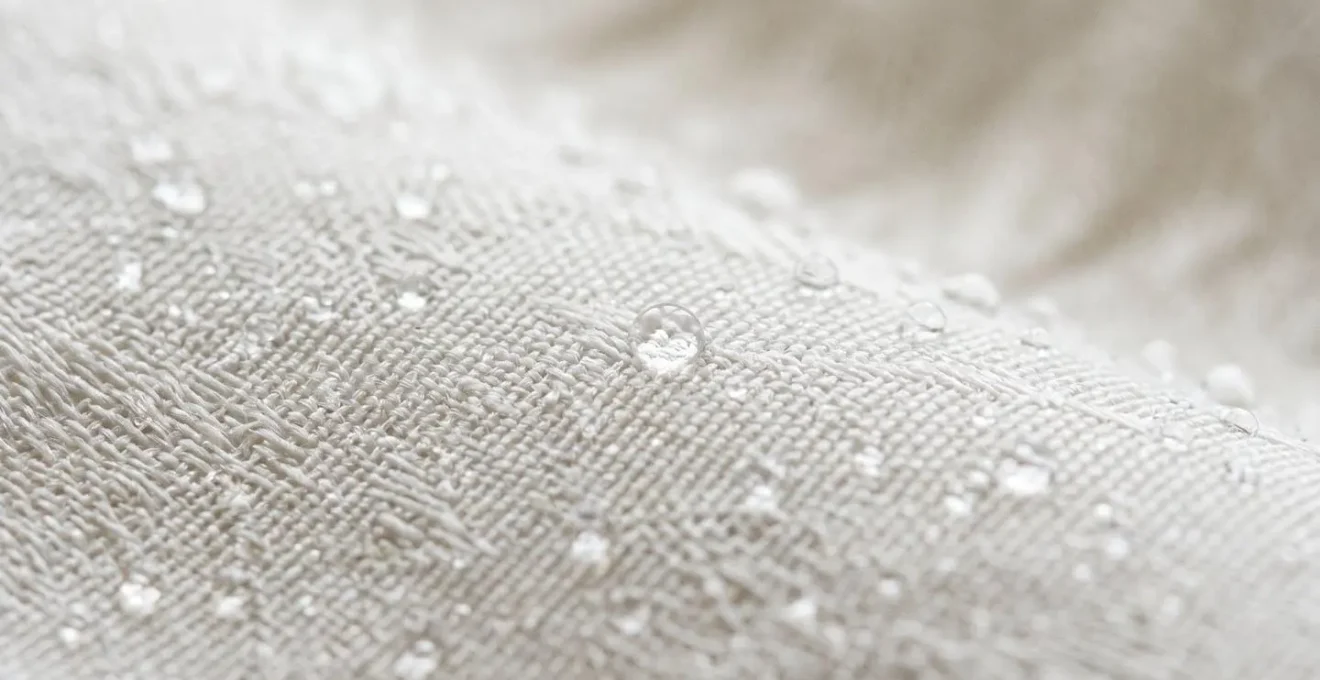
These advanced fabrics offer several distinct advantages for a tropical wedding. They are significantly more breathable than silk, allowing for better air circulation. They are also far more wrinkle-resistant, meaning your dress will look just as pristine at the end of the night as it did at the beginning. Many designers specializing in destination weddings now favor these materials precisely because they offer the drape and beauty of traditional fabrics without the performance drawbacks. When shopping for your dress, specifically ask about the fabric composition and prioritize these modern, intelligent textiles.
Raw Seafood Stations: The Risk vs. Reward in Tropical Destinations
A raw bar featuring fresh oysters, shrimp, and ceviche can feel like the epitome of tropical luxury. It offers guests a light, refreshing, and elegant culinary experience. However, it also introduces one of the highest food safety risks at an outdoor event: rapid bacterial growth. The critical concept to understand is the “temperature danger zone,” the range between 40°F and 140°F (4°C and 60°C) where bacteria like Salmonella and Vibrio can multiply exponentially.
In a temperate climate, food might take some time to reach this danger zone. In the tropics, the intense ambient heat dramatically accelerates this process. A platter of oysters that would be safe for an hour in a cooler climate might become a health hazard in as little as 20-30 minutes under the tropical sun. This requires a rigorous approach to thermal management from your caterer. The reward of a chic raw bar is high, but the risk of causing foodborne illness among your guests is a wedding-day nightmare you must actively prevent.
If you are set on a raw seafood station, you must enforce strict safety protocols with your caterer.
- Impeccable Sourcing: The seafood must come from an incredibly reputable supplier with a documented cold chain history.
- Constant Cooling: The seafood must be displayed on deep beds of crushed ice, not just a few decorative cubes. The ice must be continuously replenished.
- Limited Exposure: The station should only be open for a short, defined period (e.g., the first hour of cocktail time), not left out for the entire event.
A safer alternative is to feature dishes where the seafood is “cooked” without heat, such as a high-quality ceviche where the fish is denatured by citrus acid. Even better, opt for chilled, pre-cooked items like shrimp cocktail or grilled and chilled calamari. These options deliver a similar refreshing, elegant feel with significantly less risk.
Key Takeaways
- Embrace Material Science: Your dress fabric, cake frosting, and even insect repellent must be chosen for their chemical and thermal stability in a tropical environment.
- Master Environmental Timing: The sun’s path and the accelerated effects of heat are not suggestions; they are hard constraints that must dictate your photography and food service schedules.
- Prioritize Systemic Solutions: A single product cannot save you. A flawless tropical wedding look is the result of a holistic system of informed choices that work together to mitigate heat and humidity.
Film vs. Digital: Why Fine Art Photography Costs 30% More?
In the world of wedding photography, fine art film photography has a romantic allure, known for its unique color rendering and timeless quality. However, choosing film for a tropical destination often comes with a significant price increase, sometimes 30% or more, and it’s not just about aesthetics. This premium is largely a reflection of the increased cost, labor, and, most importantly, the enormous risk associated with shooting film in a hot and humid environment.
Film is a delicate physical medium. High humidity can cause the emulsion to swell or stick, while extreme heat can alter its color sensitivity, leading to unpredictable results. Unlike a digital camera where the photographer can instantly review an image, there is no feedback with film until it’s developed, which often happens weeks later and thousands of miles away. A roll of film damaged by airport X-rays or heat exposure in transit is a roll of lost memories, with no possibility of a do-over. The photographer’s risk premium covers this lack of a safety net.
The logistical costs also add up. Film stock is expensive, and photographers must often over-shoot to ensure they have enough coverage. It then needs to be carefully stored and shipped to a specialized lab for processing and scanning, adding significant labor and expense. In contrast, digital photography offers immediacy and security. A photographer can check focus and exposure on the spot, back up files to multiple devices throughout the day, and begin the editing process immediately. While a skilled photographer can achieve a “film look” with digital editing, the reverse is not true—you cannot add security and flexibility back into the inherently risky film process.
Ultimately, while the look of film is beautiful, choosing digital for a tropical wedding is the superior strategic decision for preserving your memories. It mitigates the significant environmental risks and ensures that the investment you make in capturing your day is protected. The higher cost of film isn’t just for an “art form”; it’s for the photographer taking on a substantial risk that, in a challenging environment, may not be worth it.
Building a truly humidity-proof wedding is about making a series of intelligent, informed choices. By applying this systems-thinking approach—from your cake to your camera—you move from hoping for the best to engineering a successful outcome. Start discussing these specific points with your wedding planner and vendors today to build a celebration that is as resilient as it is beautiful.