
Renting a French chateau for your wedding involves navigating more than a language barrier; it’s about decoding a different cultural and business rulebook.
- Key financial traps lie in unspoken assumptions about accommodation capacity, mandatory vendor contracts, and supplementary fees for services like heating.
- The legal process for marriage in France is separate from your chateau celebration, a critical distinction that saves significant stress and logistical impossibilities.
Recommendation: The key is to ask hyper-specific questions about what is included (*service compris*), what is extra (heating, corkage), and the legalities of the ceremony *before* signing any contract.
The dream of a French chateau wedding is a potent one, filled with images of fairytale turrets, sun-drenched vineyards, and timeless romance. For many international couples, securing that perfect venue feels like the biggest hurdle. But the real challenge often begins after you’ve fallen in love with a property. The contract you receive is more than a legal document; it’s a cultural artifact, embedded with French business norms and unspoken assumptions that can easily frustrate or confuse those unfamiliar with them. Standard advice often tells you to “check the capacity” or “hire a planner,” but it rarely delves into the critical nuances that can make or break your budget and experience.
What if the key to a seamless chateau wedding wasn’t just finding the right venue, but learning to read between the lines of its contract? This is where cultural bridging becomes essential. It’s about understanding why a venue that “sleeps 20” may only have 12 private bedrooms, why the service feels different, or why you can’t actually get legally married on a Saturday at your own wedding. This guide is designed to be that bridge. We will move beyond the romantic clichés and provide you with the specific, practical knowledge needed to navigate these contractual nuances. We’ll decode the hidden costs, clarify the legalities, and empower you to ask the right questions, ensuring your French wedding dream doesn’t turn into a logistical nightmare.
This article provides an insider’s look into the most common points of confusion and contention for international couples. By understanding these ahead of time, you can negotiate effectively and plan with confidence. Here is a breakdown of the key areas we will explore.
Summary: Navigating the Realities of a French Chateau Wedding
- Why “Sleeps 20” in a Chateau Usually Means Shared Bathrooms?
- How to Negotiate with Mandatory Caterers at Prestigious French Venues?
- Loire Valley or Provence: Which Offers Better Value for a 3-Day Buyout?
- The “French Service” Mistake That Frustrates American Couples
- When to Book a Popular Chateau to Secure a Saturday in June?
- Why Ancient Castles Often Fail to Keep Guests Warm in October?
- The “Business Hours” Trap: Why You Can’t Marry on a Weekend in France?
- Plated Dinner vs. Family Style: Which Is Best for Foodie Couples?
Why “Sleeps 20” in a Chateau Usually Means Shared Bathrooms?
One of the first points of confusion in a chateau rental contract is the accommodation listing. A venue advertised to “sleep 20” might seem perfect for your core wedding party, but the reality is often different. In France, this number frequently includes sofa beds, annex rooms, or bedrooms that share a single bathroom down the hall. This is a significant departure from the North American expectation where “sleeps 20” implies ten separate bedrooms, each with its own en-suite bathroom. This discrepancy isn’t meant to be deceptive; it’s a cultural difference in how space is defined in historic properties where adding modern plumbing is architecturally challenging and expensive.
The contractual nuance here is to look beyond the total number and request a detailed rooming list. This list should specify each room’s bed type (e.g., queen, two singles) and, most importantly, its bathroom situation (en-suite, shared, or separate WC). For example, it is very common that French chateaux accommodate 30-50 guests with only 12-20 en-suite bedrooms. Understanding this ratio is crucial for guest comfort and avoiding awkward conversations later. You need to decide who gets the premium en-suite rooms and who might need to coordinate shower schedules.
To avoid any surprises, it’s vital to clarify this before signing. As the editorial team at French Wedding Style wisely advises in their “Best Château Wedding Venues in France guide”:
Ask each chateau whether their on-site accommodation is mandatory or optional, and whether exclusive use of the estate is included in the venue hire or charged separately. These two details vary widely across French chateaux and significantly affect the total budget.
– French Wedding Style Editorial Team, Best Château Wedding Venues in France guide
This distinction is critical. If accommodation is mandatory, its real-world capacity and comfort level directly impact your budget and guest experience. If it’s optional, you have more flexibility to book nearby hotels that might better suit your guests’ expectations for privacy and modern amenities.
How to Negotiate with Mandatory Caterers at Prestigious French Venues?
Many of France’s most sought-after chateaux have an exclusive or “mandatory” list of caterers. This practice ensures quality control and familiarity with the venue’s often-historic kitchens. However, for international couples, it can feel restrictive and remove the ability to shop around for better pricing. The key is to understand that negotiation in France is less about aggressive price-cutting and more about a collaborative discussion to add value. Yelling for a discount is culturally ineffective; instead, focus on strategic requests.
Your first step is to accept the caterer as a partner, not an adversary. Begin by reviewing their menu packages and identifying areas for enhancement rather than reduction. French vendors are often more receptive to requests for value-additions. For example, instead of asking for 10% off, propose they include a complimentary cheese course or an extra hour of cocktail service. This allows them to maintain their price integrity while providing you with tangible benefits. Another crucial negotiation point is the corkage fee, or *droit de bouchon*. According to French Wedding Style, this fee can range from 5 to 15 euros per bottle, even at venues allowing external caterers. This must be discussed and noted in the contract *before* signing, not after.
To navigate this effectively, you should also verify the caterer’s credentials. Ensure they hold professional liability insurance (RC Pro) and are compliant with food safety standards (HACCP). A pre-contract discussion about who is responsible for kitchen cleanup and any potential equipment damage is also a wise, preventative measure. This proactive approach to negotiation, focused on clarity and mutual respect, will yield far better results than demanding a simple price drop.
Loire Valley or Provence: Which Offers Better Value for a 3-Day Buyout?
The choice of region is one of the most significant factors influencing your wedding budget. For many couples, the decision comes down to two iconic French landscapes: the classic, castle-filled Loire Valley and the sun-drenched, rustic-chic Provence. While both offer stunning backdrops, they present very different value propositions, especially for a multi-day venue buyout. The “Buyout Value Equation” isn’t just about the venue hire fee; it encompasses everything from vendor pricing to guest travel logistics.
Generally, the Loire Valley offers superior value for the core wedding costs. Venue hire fees, planner fees, and catering are often significantly more accessible than in the hyper-popular Provence, which sees premium pricing, particularly in July and August. However, Provence has a logistical advantage with its international airports in Nice and Marseille, potentially making travel easier and cheaper for your guests. The Loire Valley, primarily accessed via a 1-2 hour transfer from Paris, may require more coordination. The key is to analyze the total picture, not just one line item.
This side-by-side comparison of the Loire Valley’s lush, classical architecture and Provence’s warm, Mediterranean feel highlights the distinct aesthetics you are choosing between.
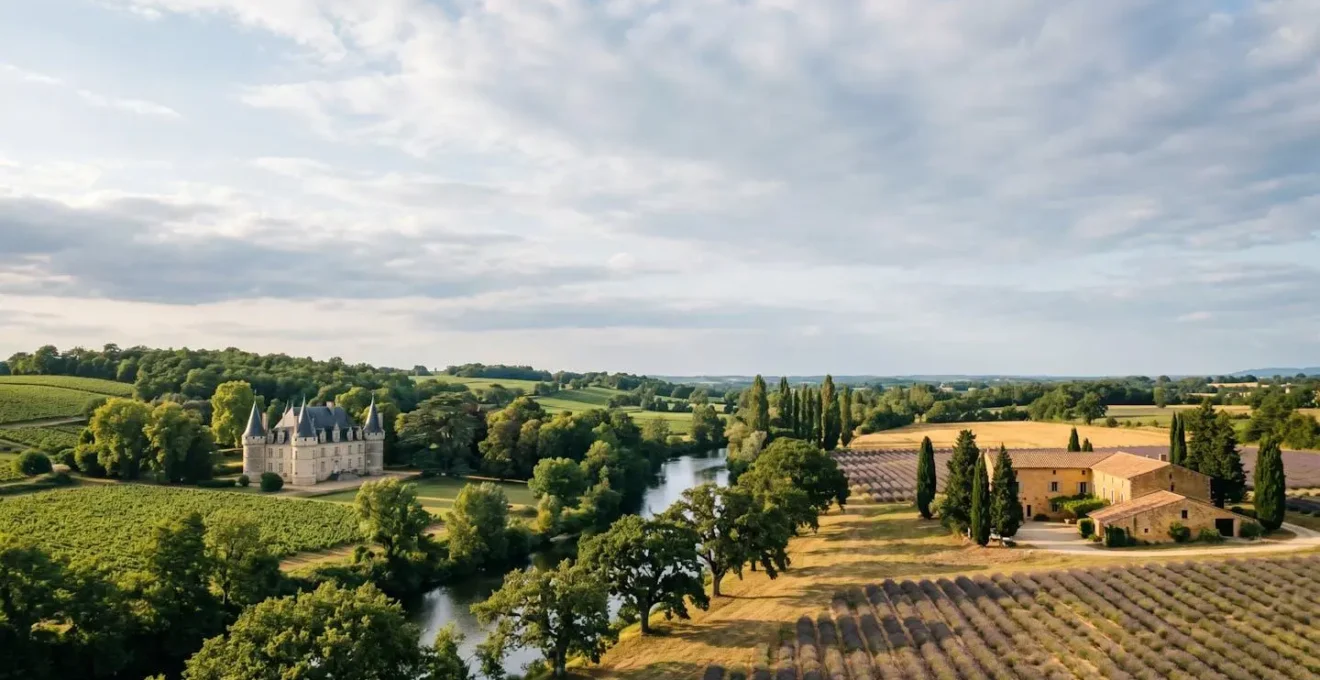
To make an informed decision, a detailed cost breakdown is essential. The following table provides an estimated comparison for an 80-guest wedding, drawing on recent industry data. As this regional price analysis shows, the potential savings in the Loire Valley can be substantial.
| Cost Factor | Loire Valley | Provence | Savings (Loire) |
|---|---|---|---|
| Total All-In Cost (80 guests) | €50,000 – €100,000 | €83,000 – €144,000 | €33,000 – €44,000 |
| Venue Weekend Hire | €6,000 – €15,000 | €15,000 – €60,000 | €9,000 – €45,000 |
| Wedding Planner Fee | €4,000 – €8,000 | €8,000 – €18,000 | €4,000 – €10,000 |
| Peak Season | Stable pricing June-August | Premium pricing July-August | Better high-summer value |
| International Flights | Paris CDG (1-2hr transfer) | Nice/Marseille (direct) | Cheaper guest logistics (Provence) |
| Best Value Months | June – September | May, June, September | Wider sweet-spot window |
Ultimately, the “better value” depends on your priorities. If minimizing core vendor costs is paramount, the Loire Valley is the clear winner. If guest travel convenience and a guaranteed hot, sunny climate are top priorities, the premium for Provence might be worth it.
The “French Service” Mistake That Frustrates American Couples
One of the most common cultural disconnects experienced by American couples at their French wedding is the style of service. Used to a proactive, highly attentive service model where staff frequently check in and top up drinks, they often perceive the French approach as slow, inattentive, or even neglectful. This perception is almost always a misunderstanding of French hospitality philosophy, which prizes discretion and allowing guests to enjoy their conversations without interruption. It’s not bad service; it’s a different definition of *good* service.
The root of this issue lies in the “service compris” system. In France, a 15% service charge is legally included in all quoted prices from caterers. Unlike in the U.S., where tips are a primary source of income and incentivize a certain style of service, French staff are salaried professionals. Their goal is to be unobtrusive yet available, operating with an understated elegance. They won’t hover over your table or interrupt a heartfelt speech to pour water unless specifically instructed. This cultural difference can lead to frustration and, often, unnecessary over-tipping.
Case Study: The 15% ‘Service Compris’ Misunderstanding
A recurring challenge for international couples involves misunderstanding the ‘service compris’ concept. In France, a 15% service charge is legally built into all quoted prices. Unlike North American expectations of proactive, frequent check-ins, French service philosophy prioritizes discretion—staff remain attentive but unobtrusive, allowing conversation to flow naturally. Couples who don’t articulate their preference for more visible, active service during the pre-event briefing often feel service is ‘slow,’ when it’s actually following French hospitality norms. The solution: a clear, polite briefing with the maître d’hôtel specifying expectations like ‘please refill wine and water glasses proactively throughout dinner.’ This prevents frustration and eliminates awkward over-tipping, as additional gratuity beyond the included 15% is neither expected nor required for standard service.
The solution is not to change French culture but to engage in clear communication. During your final planning meeting, have your wedding planner conduct a polite but specific briefing with the maître d’hôtel. Articulate your expectations clearly. Phrases like, “We would appreciate it if your staff could proactively refill wine and water glasses throughout the dinner service,” or “Please check in with the head table every 20 minutes,” are perfectly acceptable. This act of cultural bridging sets clear expectations and allows the catering staff to adjust their style to meet your needs, ensuring you and your guests feel well cared-for without causing offense.
When to Book a Popular Chateau to Secure a Saturday in June?
In the world of destination weddings, timing is everything. For a prime Saturday in June at a sought-after French chateau, “booking in advance” is a massive understatement. The reality is that the most iconic and in-demand venues operate on a much longer timeline than most couples anticipate. For top-tier properties, you are not competing with other couples from your home country; you are competing with a global market of discerning clients. As luxury destination wedding data shows, exceptional chateaux book out 24-36 months in advance for prime summer dates.
This booking window varies by the “tier” of the chateau. Iconic, world-famous properties require the longest lead times, while charming, lesser-known gems offer more flexibility. Understanding this hierarchy is key to a successful and low-stress venue search. Furthermore, being flexible with your day of the week can be a game-changer. A Friday or Sunday wedding not only opens up more availability but can also come with significant discounts of 15-25% on the venue hire fee.
| Venue Tier | Booking Window (Saturday June) | Friday/Sunday Discount | Shortened Booking Window |
|---|---|---|---|
| Tier 1: Iconic Chateaux | 24-30 months in advance | 15-20% off venue fee | Reduced to 18-21 months |
| Tier 2: Instagrammable Venues | 18-24 months in advance | 15-25% off venue fee | Reduced to 12-15 months |
| Tier 3: Lesser-Known Gems | 12-18 months in advance | 20-25% off venue fee | Reduced to 6-12 months |
| Key Insight | Saturday bookings in July-August fill first; Friday/Sunday bookings unlock significant savings and flexibility | ||
To navigate this competitive landscape, it’s crucial to adopt a strategic approach. One of the most valuable—and often overlooked—tools is the French practice of “poser une option.” This allows you to place a temporary, no-obligation hold on a date, giving you precious time to finalize details before committing with a deposit.
Your Action Plan: The ‘Poser une Option’ Advantage
- Research and shortlist 3-5 chateaux that match your aesthetic and guest capacity needs 24-30 months before your target date (Tier 1), 18-24 months (Tier 2), or 12-18 months (Tier 3).
- Contact your top choice and request to ‘poser une option’ — a temporary, no-obligation hold on your preferred date for 1-2 weeks. This common French practice is unknown to most international couples but gives you breathing room.
- During your option period, finalize budget details, review contracts, and conduct virtual tours or site visits before committing.
- If a Saturday in June is fully booked, immediately inquire about Friday or Sunday availability—these dates typically offer 15-25% discounts and may be available 6-9 months closer to your wedding date.
- Sign the contract and pay the deposit (typically 30-50%) to secure your date, then begin booking your caterer and other key vendors.
Why Ancient Castles Often Fail to Keep Guests Warm in October?
An autumn wedding in a French chateau sounds idyllic, with fall colors and cozy fireplaces. However, the rustic charm of ancient stone walls comes with a physical reality that can impact your budget and guest comfort: they are incredibly difficult to heat. This isn’t due to faulty heating systems but to a principle of physics. The massive stone walls of historic castles have a high thermal mass, meaning they absorb and retain cold from the outside. Rapidly heating a grand, stone-walled ballroom on a chilly October evening is an immense and costly undertaking.
This leads to a critical question you must ask during contract negotiations: “Is heating included in the rental fee, or is it charged based on consumption?” Many venues charge for heating as a supplement, and this can add a surprising €1,000 to €3,000 to your final bill for a weekend. To avoid this budgetary shock, a savvy move is to request the previous year’s heating bill for a similar weekend. This provides a realistic estimate of the potential cost, allowing you to budget accordingly. Ignoring this detail is one of the most common financial mistakes for autumn destination weddings.
The Thermal Mass Challenge: October Wedding Heating at Historic French Venues
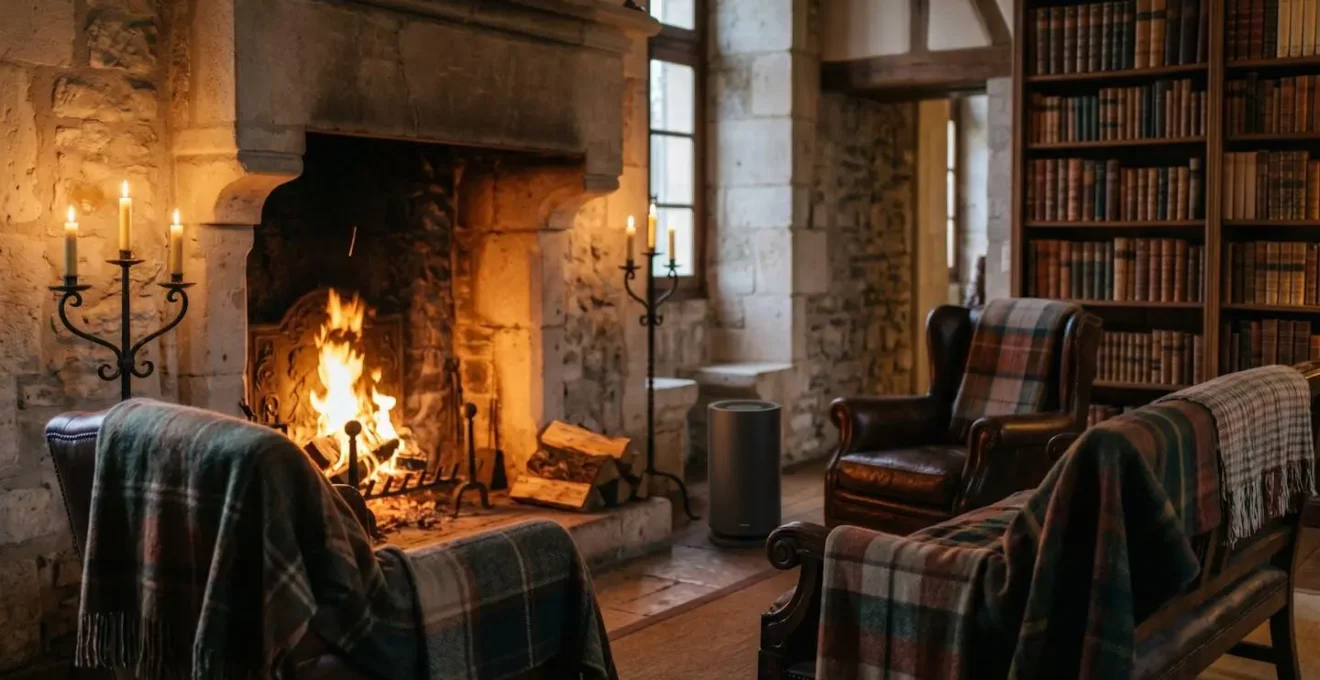
The physics of massive stone walls creates a persistent challenge for autumn chateau weddings. Stone’s high thermal mass means ancient walls absorb and retain cold, making rapid heating extremely difficult and expensive. A critical budgeting question couples often overlook: ‘Is heating included in the rental fee, or charged based on consumption?’ Many venues charge per-consumption heating, which can add €1,000-€3,000 to the final bill for an October weekend. The solution: request the previous year’s heating bill for a similar October weekend during contract negotiation. For guest comfort, couples successfully supplement chateau heating by providing high-quality pashminas or woolen throws as wedding favors, placing stylish portable heaters strategically, and designing the evening’s flow to move from grand, cooler ceremonial spaces to smaller, cozier rooms (like a library with a working fireplace) for late-night celebrations.
Beyond the budget, guest comfort is paramount. The solution is a blend of strategic planning and thoughtful details. You can work with the chateau’s heating system but supplement it intelligently. Providing high-quality pashminas or woolen throws as wedding favors is both a chic and practical touch. Strategically placing stylish, modern portable heaters in lounge areas can create pockets of warmth. Finally, consider the flow of your evening: start with the ceremony in a grand, high-ceilinged space, then move guests to smaller, cozier rooms—like a wood-paneled library with a working fireplace—for the later part of the reception.
The “Business Hours” Trap: Why You Can’t Marry on a Weekend in France?
This is perhaps the most significant legal hurdle for international couples: in France, the only legally binding marriage ceremony is a civil one, performed by the mayor (or a representative) at the local town hall, known as the *Mairie*. These ceremonies are administrative functions and, as such, are almost exclusively held during standard business hours, typically Monday to Friday. Your beautiful, heartfelt symbolic ceremony at the chateau on a Saturday, led by a celebrant, is just that—symbolic. It holds no legal weight in the eyes of the French government.
Furthermore, to even qualify for this civil ceremony, French law creates a nearly insurmountable barrier for most destination wedding couples. As official French civil marriage law requires, at least one of the partners must prove 40 consecutive days of residency in the specific jurisdiction of the *Mairie* where they wish to marry. For a couple flying in for their wedding week, this is simply impossible. Attempting to navigate this bureaucratic process is a source of immense stress and is ultimately unnecessary.
The solution embraced by virtually all international couples is elegant in its simplicity: separate the legal from the symbolic. Get legally married in your home country in a simple civil ceremony before or after your trip to France. This removes all the stress, paperwork, and residency requirements associated with the French legal system. This frees you to design a deeply personal and meaningful symbolic ceremony at your chateau with a professional celebrant. This ceremony, unburdened by legal scripture, can take place anytime, anywhere—at sunset in the gardens, in the grand ballroom, on a Saturday afternoon—and can be completely customized to reflect your love story.
Your Action Plan: The Stress-Free Legal Solution
- Understand the legal distinction — Only civil ceremonies performed by a French mayor at the local Mairie (town hall) during business hours (typically Monday-Friday) are legally binding in France.
- Recognize the residency barrier — One partner must prove 40 consecutive days of residence in the Mairie’s jurisdiction before the wedding, making legal French marriage nearly impossible for destination couples.
- Complete your legal marriage at home — Get legally married in your home country either before or after your France trip. This is the approach most international couples choose.
- Plan a deeply personal symbolic ceremony at your chateau — Work with a professional celebrant to create a meaningful, customized ceremony that feels completely authentic and captures your love story.
- Embrace the freedom — This separation of legal paperwork from romantic celebration removes all stress and allows you to focus entirely on creating a beautiful, memorable experience for you and your guests.
Key Takeaways
- Contractual details matter: Clarify accommodation specifics, mandatory vendor rules, and extra fees like heating and corkage before signing.
- Strategy over haggling: Negotiate with French vendors by requesting value-additions (like an extra course) rather than direct price cuts.
- Legal vs. Symbolic is crucial: Get legally married in your home country to avoid the impossible residency requirements and business-hour limitations of a legal French ceremony.
Plated Dinner vs. Family Style: Which Is Best for Foodie Couples?
Once the core contractual details are settled, you can turn to the more creative aspects that define the guest experience, with the dining style being paramount. For foodie couples getting married in the culinary heart of the world, the choice between a formal plated dinner and a convivial family-style meal is a significant one. This decision shapes the evening’s pacing, social dynamics, and the way your guests experience the cuisine. Neither is inherently better; the “best” choice depends entirely on the atmosphere you wish to create.
A plated dinner is the epitome of French elegance and culinary artistry. Each course is a masterpiece, meticulously composed by the chef and served with precision. This format allows for sophisticated dishes that require careful presentation, such as delicate sauces, perfectly seared proteins, and intricate garnishes. It creates a formal, refined atmosphere, encourages conversation at individual tables, and allows for a more structured timeline with speeches and events between courses. For couples who want to showcase haute cuisine and create a classic, black-tie feel, the plated dinner is an unparalleled choice.
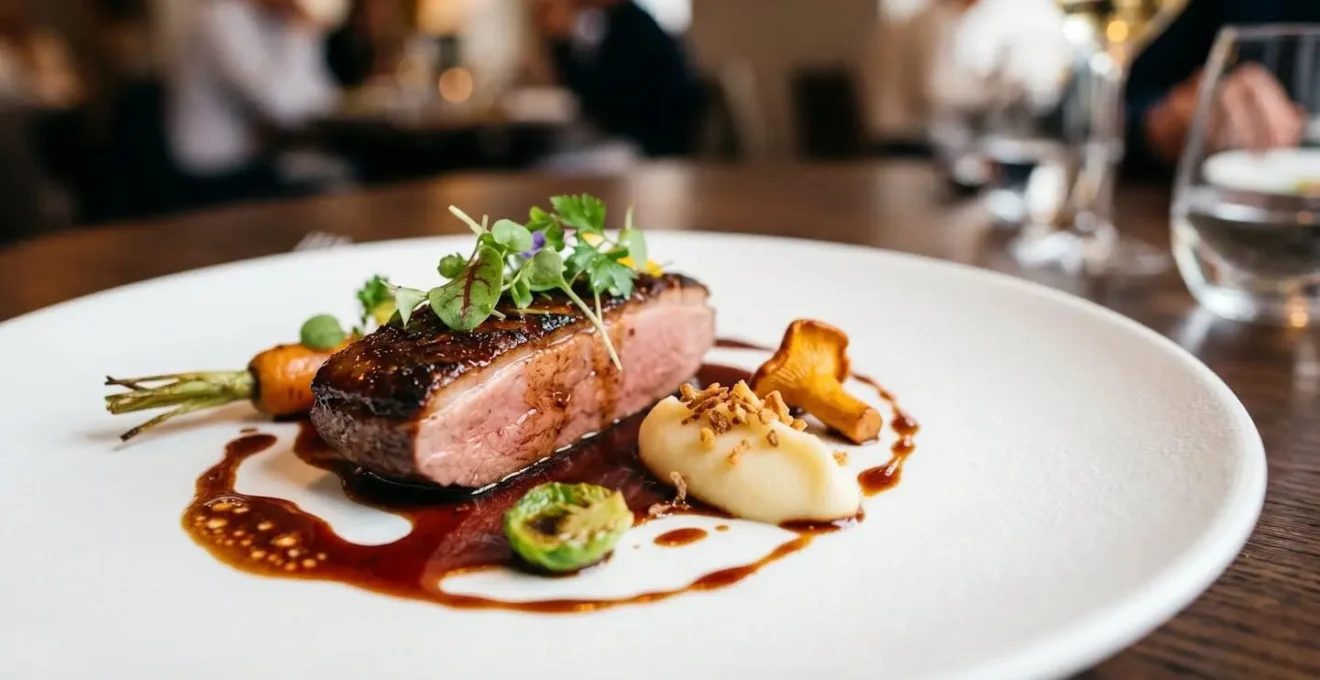
In contrast, family-style service fosters a warm, communal, and relaxed ambiance. Large platters are brought to each table, inviting guests to interact, pass dishes, and engage in a shared culinary experience. This style is wonderfully social and can feel more like a grand, celebratory feast. It’s an excellent choice for showcasing more rustic, generous fare and encourages mingling between guests who might not know each other. As French Wedding Suppliers highlights, the cuisine itself can be a star, whether plated or shared. They note that many caterers specialize in “classic French wedding cuisine, serving dishes like foie gras, confit de canard, truffle-infused delicacies, and coq au vin that add sophistication and a touch of French tradition.” The choice is simply how you want these incredible flavors to be presented and experienced by your guests.
Ultimately, the decision reflects your personality as a couple. Do you envision an evening of refined elegance and culinary precision, or one of boisterous laughter and shared platters? A plated dinner emphasizes artistry and formality, while family style prioritizes community and conviviality. Both can be executed to the highest standard by a talented French caterer.
By asking these specific questions and understanding the cultural context behind the clauses, you transform from a mere client into an informed partner. This proactive approach is the key to navigating the complexities of a French chateau rental and ensuring your wedding day is as seamless and beautiful as you’ve always imagined. For personalized guidance, the next logical step is to partner with a planner who specializes in this cultural bridging.