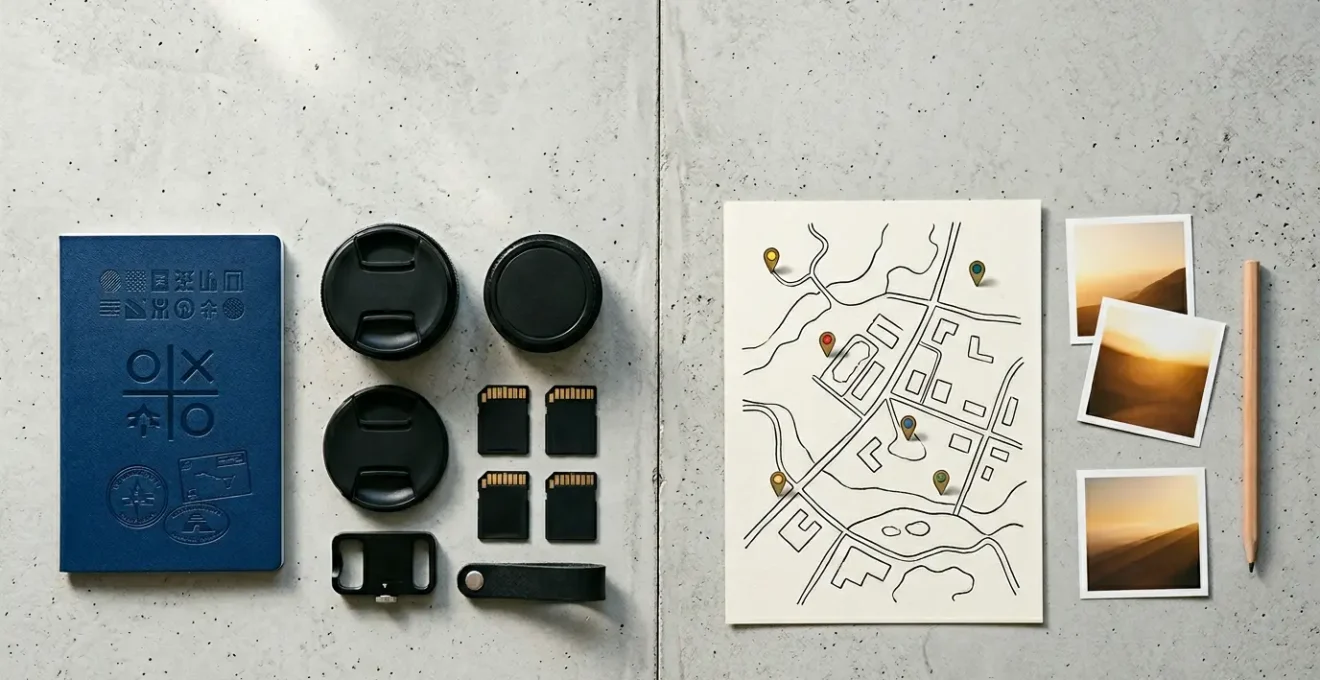
The decision between a fly-in and local photographer is fundamentally a risk management calculation, not just a creative preference.
- Flying in a photographer introduces significant, often hidden, logistical liabilities including legal work status, complex travel costs, and equipment transport risks.
- Hiring locally mitigates these risks but requires diligent portfolio verification to avoid “generic” styles or fraudulent vendors.
Recommendation: Prioritize photographers (fly-in or local) who can provide a detailed logistical and equipment backup plan, demonstrating they are protecting your investment as much as you are.
Choosing the right photographer for your destination wedding is one of the most significant decisions you’ll make. It’s the one tangible element you’ll take away from the day, the visual record of an immense emotional and financial investment. The debate often centers on a simple trade-off: fly in the photographer from home whose style you adore, or hire a local professional who knows the destination intimately? This question is often framed around aesthetics and convenience.
However, this surface-level debate misses the most critical point. The common advice to “check their portfolio” or “consider travel fees” barely scratches the surface of the real complexities involved. These discussions often overlook the profound logistical, legal, and financial risks that can jeopardize your entire photography investment. What if your photographer is denied entry at the border? What if their single bag of essential gear is lost by the airline? These aren’t just inconveniences; they are catastrophic single-points of failure.
This guide reframes the conversation. We will move beyond the platitudes of “style vs. location knowledge” to provide a clear-eyed, risk-aware analysis. This is not about creative choice, but about protecting your investment. We will dissect the hidden costs, the legal landmines of working abroad, the importance of logistical redundancy, and how to verify that the portfolio you’re falling in love with is even real. This is your framework for making a sound business decision, ensuring that no matter who you choose, your memories are safely and beautifully captured.
This article provides a comprehensive breakdown of the critical factors you must consider. The following sections will guide you through each layer of risk and reward, empowering you to make a truly informed decision.
Summary: A Deep Dive into Wedding Photographer Logistics
- The “Working While Tourist” Risk: Can Your Photographer Legally Shoot Abroad?
- Per Diems and Flights: The Hidden Costs of Flying in Your Dream Photographer
- Why Local Resort Photographers Often Have a “Generic” Style?
- Does Your Fly-In Photographer Have a Backup Plan if Luggage gets Lost?
- Why Your Photographer Needs to Arrive a Day Early to Scout Locations?
- Why Ignoring Vendor Transport Costs Can Double Your Logistics Budget?
- How to Spot Stolen Portfolio Images on Vendor Profiles?
- Film vs. Digital: Why Fine Art Photography Costs 30% More?
The “Working While Tourist” Risk: Can Your Photographer Legally Shoot Abroad?
The single most overlooked and potentially catastrophic risk of hiring a fly-in photographer is their legal status. It’s a common misconception that a photographer can simply travel to another country on a tourist visa to shoot a wedding. In reality, most countries consider this to be undeclared work, which is illegal. The consequences can be severe, ranging from fines to deportation and, in the worst-case scenario, being denied entry at the border on the eve of your wedding. This isn’t just a theoretical problem; it’s a logistical liability that falls squarely on the shoulders of you and your photographer.
A professional destination photographer should be well-versed in the specific work permit or visa requirements for your chosen country. For instance, shooting a wedding in many European countries requires a specific artist or freelance work visa if the photographer is from outside the EU. They should be able to articulate their plan for legal compliance. If a photographer seems dismissive of these concerns or suggests they’ll just “fly under the radar,” it should be considered a major red flag. They are not only putting their own business at risk, but the entire photographic record of your wedding day.
Case Study: The Canadian Work Permit Requirement
A clear example of this risk is the protocol for entering Canada. A professional photographer traveling to Canada for a destination wedding is not a tourist; they are entering the country to perform a paid service. Therefore, they must obtain a work visa. As documented in professional photography guides, failure to secure this proper documentation can result in being turned away at the border by immigration officials, leaving the couple with no photographer on their wedding day. This scenario highlights how a simple administrative oversight can lead to a complete loss of your photography investment.
Before signing any contract, you must ask direct questions: “What is the process for you to legally work in [Destination Country]?” and “Can you provide documentation or a clear plan for your work authorization?” A true professional will have a confident, well-researched answer. An amateur will hope for the best. Your investment is too great to leave to hope.
Per Diems and Flights: The Hidden Costs of Flying in Your Dream Photographer
The initial quote from your dream fly-in photographer is often just the tip of the iceberg. The allure of their specific style can quickly be overshadowed by a cascade of travel-related expenses that are not always transparent upfront. While couples generally expect to cover flights and accommodation, the “true cost” of bringing a photographer to a destination often extends far beyond these two line items. These additional fees can easily add up, turning a manageable budget item into a source of financial stress. Understanding the full scope of these costs is crucial for accurate budgeting and avoiding surprises.
Professionals in the field estimate that travel fees alone can add a significant amount to the final bill. According to destination wedding photography experts, these additional travel costs can range anywhere from $1,000 to over $5,000, depending on the destination, duration, and complexity. This figure doesn’t just cover the flight; it encompasses a host of other necessary expenses. These are not luxury add-ons but the operational costs of transplanting a professional service and its provider to a new location. For the photographer, these travel days are “blackout days” where they cannot take other work, a factor that is often built into their pricing structure.
To protect your investment, you need a complete breakdown of every potential cost. A professional will provide this transparently, but you must know what to ask for. The most common “hidden” costs include:
- Accommodation: A minimum of 3 nights for domestic and 5 for international weddings is standard, ensuring the photographer has time for scouting and a buffer for delays.
- Airfare & Baggage: This includes round-trip flights for the primary photographer and potentially a second shooter, plus hefty fees for overweight/oversized baggage carrying thousands of dollars in equipment.
- Ground Transportation: A rental car or a budget for local transport is essential for venue scouting and moving between locations on the wedding day.
- Per Diem: A daily allowance for meals and incidental expenses is standard practice while the photographer is working for you away from home.
- Weekend Buyout Fee: Some photographers charge an additional fee if a Saturday destination wedding prevents them from booking a more lucrative local wedding on the following Sunday.
Why Local Resort Photographers Often Have a “Generic” Style?
Many couples planning a destination wedding at a large resort are presented with a seemingly convenient option: using the in-house photography team. The pitch is compelling—no travel fees, no logistical headaches, and they are already familiar with the property. However, this convenience often comes with an artistic trade-off, leading to a portfolio that can feel “generic” or formulaic. This isn’t necessarily due to a lack of talent, but rather the powerful business model of the resorts themselves, which prioritizes volume and efficiency over bespoke artistry.
The primary reason for this standardized look is the operational structure. Resorts often function as high-volume wedding factories. Their photography teams may shoot several weddings in a single weekend, following a well-trodden path of “safe” shots and poses that are guaranteed to be acceptable to a broad audience. There is little time or incentive for creative risk-taking, deep location scouting for unique light, or getting to know the couple’s unique personality. The goal is a consistent, repeatable product, not a unique piece of art. Furthermore, many resorts actively discourage outside vendors by levying significant fees. Destination wedding planning resources note that these external vendor fees can be up to $1,000 or more, effectively pushing couples toward the in-house option.
This time constraint is a key factor, as noted by industry experts. It directly impacts the depth and creativity of the work produced.
Usually, if you hire a local photographer, they will be coming in only for the wedding day for an 8 hours window.
– Alfaaz Photography, Destination Wedding Planning Guide
This limited timeframe stands in stark contrast to a dedicated fly-in photographer who arrives days in advance to scout and is focused solely on your event. While a local, non-resort-affiliated photographer can offer the best of both worlds (local knowledge without the “factory” constraints), it’s crucial to understand why the “easy” resort option might not deliver the unique, personal images you’re dreaming of. You are trading a potentially unique artistic vision for logistical simplicity.
Does Your Fly-In Photographer Have a Backup Plan if Luggage gets Lost?
When you fly in a photographer, you are also flying in their essential, and often irreplaceable, equipment. The romantic image of a globe-trotting artist can quickly turn into a nightmare if their one bag containing cameras, lenses, and lighting is delayed, damaged, or lost by an airline. This scenario represents a catastrophic single-point failure. A photographer without their gear is not a photographer. Therefore, one of the most critical questions you must ask is not about their camera model, but about their redundancy and backup strategy. A true professional’s answer will reveal their level of experience and commitment to protecting your investment.
An experienced destination photographer doesn’t just have backup gear at home; they have a comprehensive logistical plan for gear in transit. This goes far beyond simply owning a second camera body. It’s a system and a philosophy built around mitigating risk at every step. Amateurs hope their bags arrive. Professionals plan for when they don’t. Their strategy involves multiple layers of protection, ensuring that even a total loss of one bag doesn’t derail their ability to capture your wedding day flawlessly. This includes having a system of dual-system redundancy, where gear is not just duplicated but diversified.
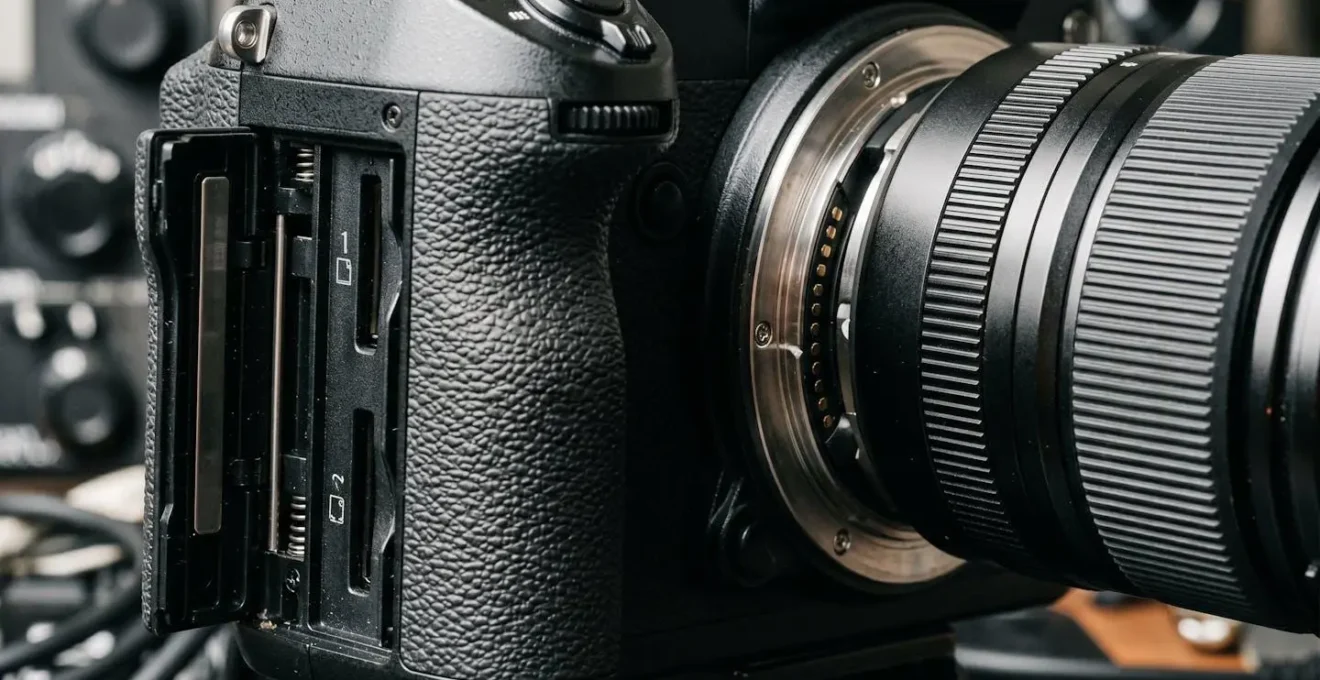
The level of detail in their response is a direct indicator of their professionalism. A vague “Oh, I have backup cameras” is not enough. You are looking for a detailed protocol.
Professional Photographer Equipment Loss Protocol
As outlined in professional standards for destination wedding photographers, a comprehensive backup strategy is non-negotiable. This involves traveling with expensive equipment (often worth tens of thousands of dollars) using a multi-faceted approach. Key components include: carrying essential camera gear in secure, airline-compliant carry-on cases; actively maintaining relationships with professional camera rental houses in major destination cities for emergency replacements; and, most importantly, implementing a dual-system redundancy where equipment is strategically split. This might mean carrying one complete camera system (e.g., Canon) in a carry-on and a second, different brand system (e.g., Sony) in checked luggage to mitigate the risk of a single-point failure affecting all their equipment.
This level of planning is the hallmark of a professional who understands they are being hired not just for their eye, but for their reliability. They are actively working to eliminate variables and protect your investment before they even step on the plane.
Why Your Photographer Needs to Arrive a Day Early to Scout Locations?
One of the non-negotiable costs associated with a fly-in photographer is arriving at the destination at least a full day—and often two—before the first event. For couples managing a tight budget, this can seem like an unnecessary expense, adding extra nights of accommodation and per diems. However, this “buffer day” is one of the most critical components for ensuring high-quality, creative, and well-executed wedding photography. It’s not a vacation day for the photographer; it’s a crucial preparation day where they transition from a traveler to an artist fully integrated with your venue and timeline.
The primary purpose of early arrival is location scouting. A photographer can study photos and videos of a venue from afar, but nothing replaces walking the grounds in person. During this time, they are not just looking for pretty backdrops. They are studying the light. How does the sun fall on the ceremony space at 4 PM? Where are the best pockets of shade for family portraits? Are there any unexpected sources of harsh, unflattering light? They are also testing angles, discovering unique compositions, and planning the logistical flow of the day. This advance work allows them to be efficient and creative on the wedding day, rather than scrambling to find usable locations under pressure.
Moreover, this buffer day is a critical safety net against the unpredictability of travel. Flight delays and cancellations are increasingly common. Arriving a day early provides a cushion to absorb these disruptions without adding stress to the wedding timeline.
Depending on your wedding size, timeline of events, event coverage needs, and locations, you may need to fly out at least 2 photographers, myself and my second photographer, for your destination wedding, arriving the day before your events begin. This gives us a cushion for any delays as well as gives us time to scout out your wedding venue.
– Leila Brewster, Destination Wedding Photographer Service Guide
Ultimately, paying for this extra day is an investment in preparedness and artistry. It allows your photographer to create a detailed photographic plan tailored to your specific location and timeline, ensuring a smooth, stress-free experience and, most importantly, better photos. It transforms a photographer who is merely *at* your location into a photographer who truly *understands* it.
Why Ignoring Vendor Transport Costs Can Double Your Logistics Budget?
The photographer might be the primary vendor you’re flying in, but they are rarely the only person whose travel you need to coordinate. A significant blind spot in many destination wedding budgets is the transportation costs for “second-tier” personnel. This includes the photographer’s second shooter or assistant, a videography team, or even your hair and makeup artists. Ignoring these costs or failing to clarify them in contracts can lead to a logistical and financial nightmare, potentially doubling your anticipated logistics budget. Each person who needs to be moved from point A to point B represents a cost, a risk, and a coordination effort.
The responsibility for booking and managing this travel is a critical point of negotiation. There are two primary models, each with its own trade-offs in terms of control, risk, and cost. As a recent comparative analysis shows, deciding whether the couple books directly or the vendor books and gets reimbursed has significant implications for your budget and peace of mind.
| Cost Category | Couple Books (Client Responsible) | Vendor Books (Reimbursement Model) |
|---|---|---|
| Booking Control | Couple manages all reservations and logistics | Vendor handles bookings, invoices client |
| Risk Ownership | Couple owns risk of delays, cancellations, vendor no-shows | Vendor manages travel reliability, professional accountability |
| Cost Efficiency | Potential savings through group rates or reward programs | Premium pricing due to vendor convenience and time value |
| Flexibility | Limited – changes require couple intervention | High – vendor can adapt travel plans for weather/delays |
| Hidden Costs | Potential upgrade fees, last-minute changes, coordination time | Built into quoted fee with transparency |
To avoid disastrous budget overruns, a meticulous audit of all vendor transportation needs is essential. This goes beyond the main vendor to include their entire support team and equipment. A structured approach can help you identify and quantify these often-hidden expenses before they become a problem.
Your 5-Step Vendor Transport Audit
- Contract Review: Scrutinize all vendor contracts for clauses on travel, accommodation, and transport. Your goal is to create a master list identifying who is responsible for booking and, crucially, who bears the financial risk of disruption for every single person.
- Itemized Cost Collection: Request a detailed, itemized quote from each vendor for all potential transport-related expenses. This must include flights, baggage fees, rental cars, fuel, and per diems for both the primary vendor and any assistants or second shooters.
- Cross-Verification & Budgeting: Compare the vendors’ quoted travel costs with your own independent research. Challenge any significant discrepancies and build a master transportation budget based on these verified numbers.
- Contingency Planning: Define and allocate a financial buffer, typically 15-20% of the total transportation budget, specifically for unforeseen costs like flight changes, extra baggage fees for equipment, or last-minute taxi rides due to rental car issues.
- Final Logistics Briefing: One week before travel, create and distribute a consolidated document containing all vendors’ final travel itineraries, confirmation numbers, and on-site contact details. This ensures everyone, including your planner, is operating from the same information.
How to Spot Stolen Portfolio Images on Vendor Profiles?
In the digital age, a vendor’s portfolio is their primary sales tool. For destination weddings, where you may never meet the person face-to-face, you are relying almost entirely on their website and social media to judge their quality and style. Unfortunately, this creates an opportunity for dishonest individuals to build a compelling but completely fake portfolio using stolen images from other talented photographers. Falling for such a scam is devastating, resulting in not only a financial loss but the irretrievable loss of your wedding memories. Developing a critical eye for portfolio integrity is an essential self-defense skill for any couple planning a destination wedding.
Fraudulent vendors often rely on the fact that clients are swept up in the beauty of the images and don’t look for the subtle red flags. They assemble work from various photographers, creating a portfolio that seems impressive but lacks a cohesive artistic voice. Spotting this requires a more analytical approach to viewing their gallery. Your goal is to move past the initial emotional reaction to an image and look for patterns, inconsistencies, and evidence of authenticity. Several simple, free tools and techniques can help you vet a portfolio effectively.
Here are key forensic steps to verify a photographer’s portfolio:
- Use Reverse Image Search: This is your most powerful tool. Take a few of their most stunning portfolio images and run them through a reverse image search engine like Google Images or TinEye. If the image appears on other photographers’ websites, in stock photo libraries, or in styled shoot credits under a different name, you have found a stolen image.
- Check for Stylistic Consistency: A real photographer has a distinct style in how they shoot, light, and edit. A fake portfolio, assembled from multiple sources, will often show jarring inconsistencies. Do the bright and airy photos look like they were edited by the same person as the dark and moody ones? Be suspicious of a portfolio that looks like a “greatest hits” of every possible wedding photography trend.
- Request Full Wedding Galleries: This is a crucial step. A portfolio website shows only the best 1-2 images from dozens of weddings. Ask to see 2-3 full galleries from real weddings (not styled shoots). This will show you how they handle the entire day, from getting ready in a poorly lit hotel room to the chaotic dance floor. A scammer will rarely have a full, consistent gallery to show you.
- Scrutinize Social Media Tags: Look at their posts on social media. Are the couple, the planner, and the venue tagged? Do those tagged accounts match the event described? Click through the tags to see if the other vendors involved also posted about the same wedding, creating a web of legitimate connections.
Taking these steps adds a layer of due diligence to your hiring process. It shifts you from a passive admirer to an active investigator, which is essential for protecting your investment in a remote hiring situation.
Key Takeaways
- Assess Legal Status: A photographer’s inability to legally work in your destination is the single biggest risk to your investment. Demand a clear plan for work authorization.
- Audit All Costs: The true cost of a fly-in photographer includes flights, accommodation, baggage, per diems, and ground transport for them and their entire team.
- Verify Portfolio Integrity: Use reverse image search and request full galleries to ensure the beautiful work you see is actually theirs, especially when hiring a remote local vendor.
Film vs. Digital: Why Fine Art Photography Costs 30% More?
As you explore photographers, you may encounter a distinction between “digital” and “fine art film” photographers. While both can produce stunning results, those specializing in film often come with a significantly higher price tag. This isn’t an arbitrary markup; it’s a direct reflection of a fundamentally different process with higher material costs, a more deliberate pace, and a specialized skill set. Understanding the “why” behind the cost of film can help you decide if this unique, tangible aesthetic is the right investment for your wedding.
Digital photography is a process of abundance. A photographer can shoot thousands of images at no incremental cost, review them instantly, and adjust on the fly. Film photography, in contrast, is a process of deliberate scarcity. Every click of the shutter has a direct, tangible cost associated with the film itself and the subsequent processing and scanning. A roll of professional medium format film holds only 10-16 exposures. This physical limitation forces a slower, more intentional approach. The photographer must be a master of their craft, confident in their ability to nail the exposure, composition, and moment perfectly, because there are no do-overs. It is this marriage of discipline and artistry that defines the fine art approach.
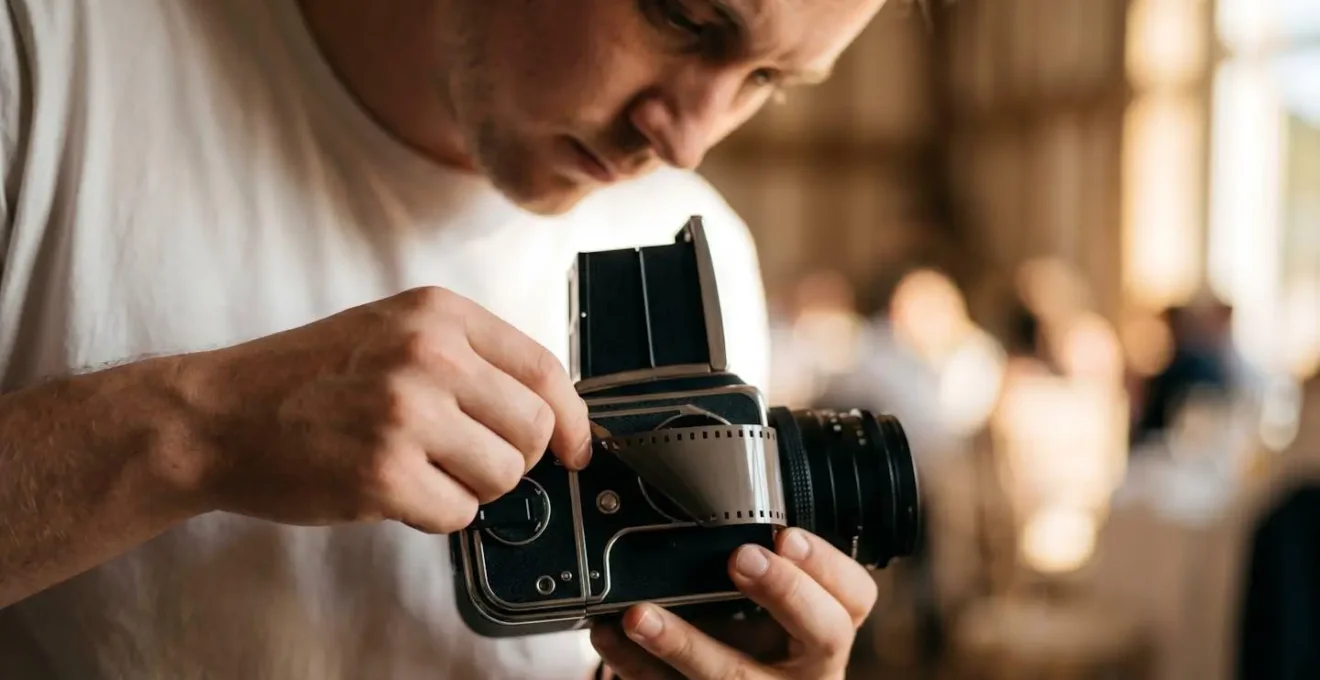
This premium is not just for nostalgia; it’s for a look and feel that many believe cannot be perfectly replicated by digital. The way film renders colors, the subtle grain, and the beautiful depth of field from medium format cameras create a timeless, luminous quality. This aesthetic is highly sought after, especially for boutique destination weddings that emphasize design, with costs often ranging from $6,000 to $10,000 and beyond. The higher price reflects:
- Material Costs: The ongoing expense of purchasing professional-grade film stock (like Kodak Portra) and the cost of professional lab developing and scanning for every single image.
- Equipment Expertise: Mastery of vintage, fully manual cameras that require a deep understanding of light and mechanics, with no digital screen for instant feedback.
- Slower, More Deliberate Pace: The photographer takes fewer, but more considered, shots. You are paying for their curation and precision on-site, not just in post-production.
- Risk and Expertise: The photographer bears the risk of handling physical media, where images can be lost to airport X-rays or loading errors, requiring an even higher level of expertise and care.
Ultimately, whether you choose a fly-in or local photographer, digital or film, the decision rests on a foundation of due diligence. By moving beyond a simple comparison of styles and embracing a mindset of risk management, you empower yourself to ask the right questions, demand transparency, and build a partnership with a professional who is as committed to protecting your memories as you are. This framework is your best insurance policy for a beautiful and stress-free outcome. Begin assessing your chosen photographer’s logistical preparedness now to ensure your wedding day is captured without a hitch.