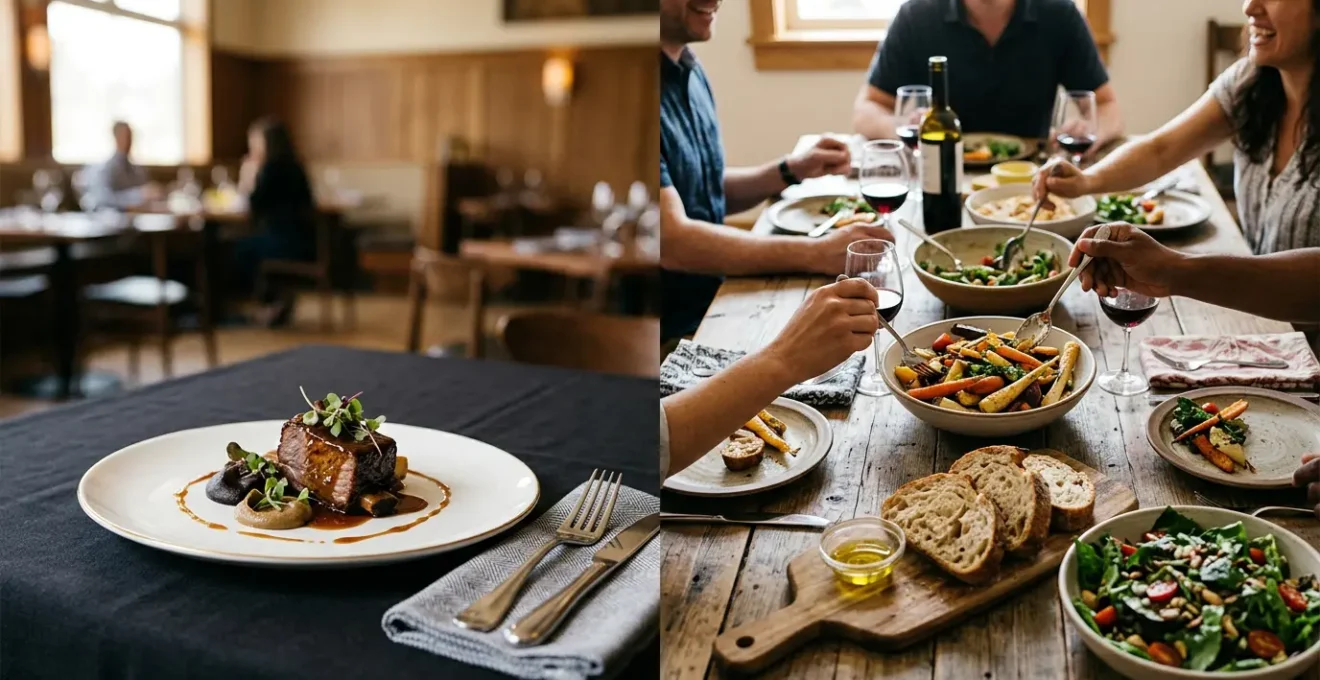
For foodie couples, the choice between plated and family-style service is less about formality and more about culinary control and execution at scale.
- Plated service offers unparalleled control over portioning, presentation, and managing dietary restrictions, ensuring every dish arrives as the chef intended.
- Family-style fosters a communal atmosphere but introduces variables that can compromise food temperature, consistency, and table space.
Recommendation: Prioritize your primary goal. If flawless culinary execution and managing complex diets is paramount, choose plated. If a lively, shared experience is the top priority and your menu is robust enough to handle it, opt for family-style.
As a catering director, I’ve guided countless couples through the intricate dance of planning a wedding menu. For those who identify as “foodies”—couples who view the meal not as a formality but as a cornerstone of the celebration—the debate between plated service and family-style is particularly charged. The common wisdom pits formality against casual interaction, but this is a surface-level analysis. For a party of 150 guests, the real conversation isn’t about atmosphere alone; it’s about the physics of food service and the logistics of quality control.
You’re not just choosing a service style; you’re choosing a set of operational constraints that will directly impact your culinary vision. It’s about the thermal journey of a perfectly seared scallop, the integrity of a delicate microgreen garnish, and the complex service choreography required to deliver an exceptional experience to every single guest. While family-style platters promise abundance and community, they can introduce risks to food temperature and cross-contamination. Plated dinners, often perceived as rigid, offer a level of precision that is a chef’s best friend. The true key is understanding how each style performs under the pressure of scale, ensuring your ambitious menu translates from a tasting for two into a memorable feast for everyone.
This guide moves beyond the platitudes to give you an insider’s perspective on the operational realities that determine success. We will analyze the critical factors—from allergy management to party pacing—that should drive your decision, ensuring your wedding meal is as delicious in practice as it is on paper.
Summary: A Caterer’s Guide to Wedding Service Styles for Foodies
- How to Manage 20 Different Allergies Without Slowing Down Service?
- The ” lull” Between Courses That Kills Party Energy
- Why “Farm-to-Table” Menus Are Riskier for Large Guest Counts?
- The Late-Night Snack Mistake That Results in 50% Wasted Food
- What to Look for at Your Menu Tasting That Isn’t Just “Taste”?
- Why You Should Never Do a Menu Tasting More Than 6 Months Out?
- Buffet vs. Plated: Which Service Style Actually Gets Guests Fed Faster?
- Authentic Spice vs. Guest Comfort: How to Balance Local Flavors for 100 Palates?
How to Manage 20 Different Allergies Without Slowing Down Service?
Managing a significant number of dietary restrictions is one of the greatest challenges in modern event catering. With a guest list of 150, it’s statistically probable you’ll be accommodating a dozen or more allergies and preferences, a staggering reality for more than 33 million people in the United States with food allergies. This is where the service style moves from a preference to a critical safety decision. A plated dinner is, unequivocally, the gold standard for managing dietary needs with precision. Each special meal is prepared, plated, and delivered directly to the correct guest, minimizing the risk of cross-contamination.
Family-style service, by its very nature, introduces risk. Multiple guests using the same serving utensils on communal platters create a high potential for ingredients like nuts, gluten, or dairy to migrate between dishes. While a caterer can provide separate platters, this adds complexity and can clutter tables. As the team at Miere Catering notes, the choice becomes clear when safety is paramount:
If you have guests with severe dietary restrictions, plated might be the better option to avoid cross contamination of serving utensils that may be a risk with family style and buffet.
– Miere Catering, Guide to Catering Service: Plated, Buffet, or Family Style
For the foodie couple, this means the integrity of a “gluten-free” or “nut-free” dish is guaranteed with a plated service. It ensures that every guest, regardless of their restrictions, can enjoy their meal with confidence, without slowing down the overall flow of service to identify and manage at-risk dishes on the fly.
The ” lull” Between Courses That Kills Party Energy
A common concern with plated dinners is the dreaded “lull”—the pause between courses where guests might lose momentum and the party’s energy dips. However, from a catering director’s perspective, this pause is not a bug; it’s a feature. It is a structured moment in the evening’s service choreography. This time is essential for the kitchen to plate the next course with precision and for servers to clear tables efficiently. More importantly, it provides a built-in moment for guests to socialize, refill their drinks, and digest, preventing palate fatigue.
This intentional pacing prevents the meal from feeling rushed. It transforms dinner from a simple act of eating into a multi-act performance. The key to preventing this “lull” from becoming a bore is to manage it. Work with your band or DJ to curate a specific playlist for these intervals. Plan for brief toasts or thank-yous from family members to be delivered during these windows. When managed correctly, the pause between courses becomes an anticipated part of the social fabric of the evening, not a drag on its energy.
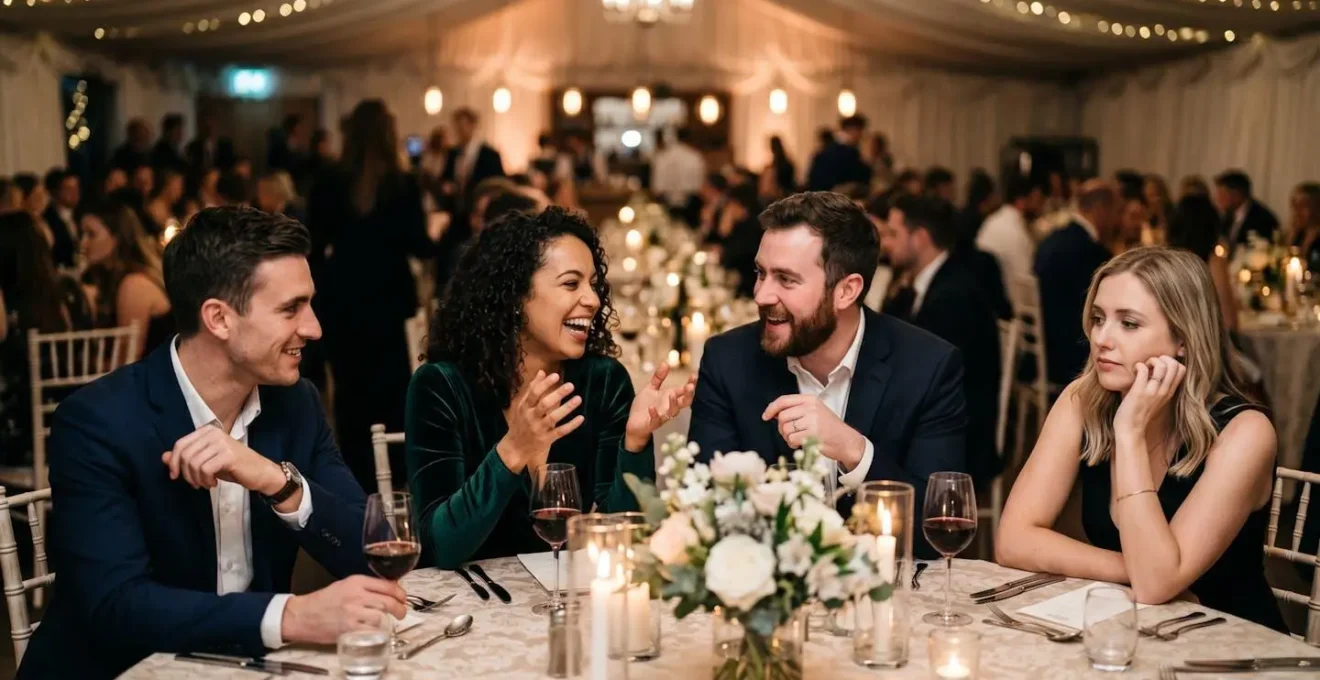
In contrast, a family-style or buffet service can create a different kind of lull: the long wait in line for the last tables to be called. While the first guests are eating, the last are still waiting, creating a disjointed experience. A well-executed plated dinner ensures all guests at a table are served within moments of each other, course by course, creating a shared, synchronized dining experience that keeps the entire room on the same timeline.
Why “Farm-to-Table” Menus Are Riskier for Large Guest Counts?
The “farm-to-table” ethos is a beautiful concept, one that resonates deeply with foodie couples who value freshness, seasonality, and local sourcing. However, executing a true farm-to-table menu for 150 guests introduces significant logistical risks that are magnified by certain service styles. The entire concept hinges on the availability of specific, often small-batch, ingredients from local producers. A single crop failure, a late delivery, or a smaller-than-expected harvest can force last-minute menu changes.
This is where a plated service offers a crucial buffer. If a specific vegetable for a side dish becomes unavailable, a chef can pivot to a similar seasonal alternative with minimal disruption. The change is controlled within the kitchen and presented as a finished, intentional dish. With family-style service, the impact is more dramatic. An entire platter’s worth of a promised dish might need to be substituted, which is more noticeable to guests. The volume required for large platters puts immense pressure on the supply chain integrity. As catering experts confirm, the biggest hurdle is logistical coordination and the need for robust backup plans when sourcing is so specific.
Expert Insight: The Challenge of At-Scale Execution
Catering for large-scale events presents a unique set of challenges that go far beyond cooking. Professional analysis reveals that the primary obstacles are not culinary skill but logistics. These include coordinating multiple suppliers, ensuring food quality and temperature are maintained for hundreds of dishes simultaneously, and managing the high dependency on a fragile supply chain. According to strategies for serving hundreds of guests, having backup suppliers and pre-vetted contingency plans is not optional—it’s essential for a successful event, especially when dealing with the inherent variability of farm-to-table sourcing.
A plated menu allows for greater agility in the face of these variables, protecting the overall quality and vision of your meal even when nature doesn’t fully cooperate. It allows the chef to work with the best of what’s available on the day, ensuring ingredient integrity without being locked into a high-volume format that’s difficult to alter.
The Late-Night Snack Mistake That Results in 50% Wasted Food
The late-night snack has become a beloved wedding tradition, a final culinary flourish to fuel guests for the last hours of dancing. However, it’s also a major source of food waste and budget inefficiency. The most common mistake couples make is ordering snacks for 100% of their original guest count. By 10 or 11 p.m., a significant portion of guests, particularly older relatives and families with young children, will have already departed. Of those remaining, many are full from dinner or more focused on the bar and dance floor.
This often results in half-eaten trays of sliders, tacos, or donuts being thrown away, contributing to the problem where an estimated 10% of all wedding food is tossed out. The solution is strategic planning, not elimination. As a rule of thumb, you should plan your late-night snack for 50-75% of your total guest count. This smart adjustment dramatically reduces waste and cost without leaving hungry dancers wanting.
Event planning expert Janice Carnevale offers this direct advice:
If you can, order your late-night snacks for 50-75% of your guests. At that late in the night, some guests will have gone home, and some will not be hungry.
– Janice Carnevale, owner of Bellwether Events, in The Best Late-Night Snacks for Your Wedding
Furthermore, timing is everything. Don’t bring the snacks out too early. The ideal window is about 90 minutes to two hours before the reception ends. This timing ensures the snacks serve their intended purpose: a final burst of energy for the dedicated few still celebrating, rather than an untouched addition to a full-course meal.
What to Look for at Your Menu Tasting That Isn’t Just “Taste”?
The menu tasting is one of the most exciting parts of wedding planning. For a foodie couple, it’s a chance to truly experience the chef’s craft. However, the goal of a tasting isn’t just to decide if the food is delicious; it’s to audit the caterer’s ability to execute that food at scale. The tasting environment is a controlled “best-case scenario.” Your job is to look for clues about how the operation will perform under the pressure of a 150-guest event. This means evaluating factors far beyond flavor.
Look for signs of organization, flexibility, and real-world durability. Does the food hold its temperature well? How is the presentation—is it intricate and beautiful, or will it be a nightmare to replicate 150 times? This is a stress test of their entire operation, not just their recipes. A great tasting experience should leave you confident not only in the menu but in the team’s ability to deliver it flawlessly on your wedding day.
To truly get the most out of your tasting, you need to think like a caterer and assess their operational readiness. Focus on the practical execution and logistical details that separate a good meal from a great event experience.
Your Action Plan: The Non-Taste Menu Tasting Checklist
- Test for Adaptability: Request a simple, on-the-spot modification during the tasting (e.g., “Could this sauce be served on the side?” or “Is there an alternative to this garnish?”). This tests their flexibility and problem-solving skills under pressure.
- Assess the Thermal Journey: Once a hot dish is served, don’t eat it immediately. Let it sit for five minutes, then taste it. Does it hold its temperature and texture? This simulates the real-world journey from the kitchen to the furthest table in your reception hall.
- Simulate Table Logistics: If considering family-style, ask to see the actual platters and serving bowls you’d be using, and place them on a table mock-up. Is there enough room for the platters, plus glassware, centerpieces, and place settings?
- Inquire About Key Personnel: Ask directly about the lead chef or “second-in-command” who will be running your event on the day. What is their specific experience with events of your size? The chef at your tasting may not be the one executing the final service.
Why You Should Never Do a Menu Tasting More Than 6 Months Out?
In the excitement of wedding planning, it’s tempting to lock in major vendors, including your caterer, as early as possible. However, scheduling your menu tasting more than six months before your wedding date is a classic mistake, especially for a foodie couple with a seasonal menu in mind. The primary reason is simple: ingredients. A tomato in January is a pale imitation of a sun-ripened tomato in August. A tasting is meant to be a true preview of your wedding day meal, and that’s impossible if the core components are out of season.
Holding a tasting in winter for a summer wedding means the chef will be using ingredients that are either sourced from afar (losing freshness) or are greenhouse-grown (losing flavor). This compromises the very essence of a seasonal, “farm-to-table” concept. The asparagus you taste in April will be vastly different from what’s available in October. You’re not getting an accurate representation of the final product, which can lead to disappointment on the wedding day.
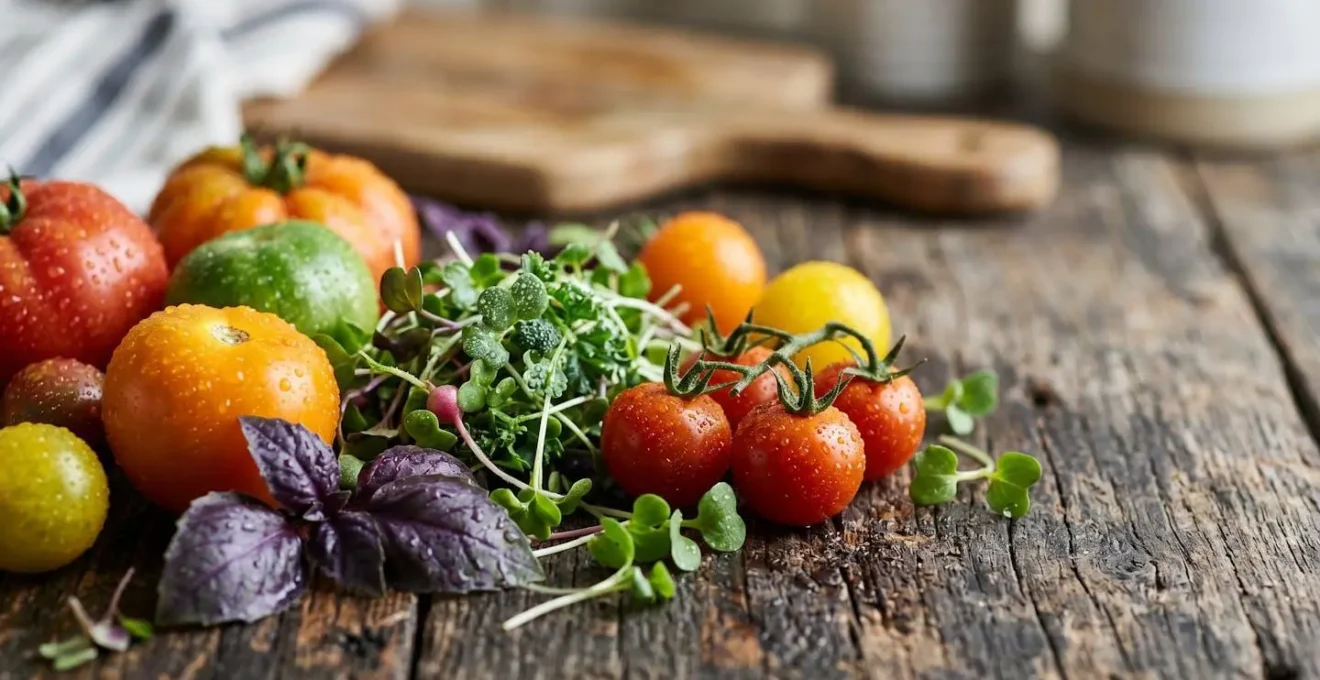
The ideal window for a menu tasting is 3 to 5 months before the wedding. This timeframe is close enough to ensure the chef is working with ingredients from the correct season, giving you the most accurate and delicious preview of your menu. It also allows enough time for any final adjustments to the menu or contract. Resisting the urge to taste too early ensures that your decisions are based on the true potential and peak flavor of your chosen dishes.
Buffet vs. Plated: Which Service Style Actually Gets Guests Fed Faster?
It’s one of the most persistent myths in event catering: a buffet is the fastest way to get everyone fed. The logic seems sound—guests serve themselves, eliminating the need for a coordinated, course-by-course service. In reality, for a wedding of 150 guests, a well-staffed plated dinner is almost always faster than a traditional buffet. The bottleneck of a buffet is the line itself. Even with a double-sided setup, it can take a considerable amount of time for all 150 people to make their way through, select their food, and return to their seats.
A plated dinner, on the other hand, operates with military precision. With the industry-standard staffing ratio of one server for every two tables (or roughly 15-20 guests), an entire course can be served to the whole room in a matter of minutes. While there are structured waits between courses, the total time from the start of service to the last guest receiving their main course is remarkably efficient. Industry comparisons show that a professionally executed plated service can have all guests fed in under 25 minutes, whereas the last guest at a buffet might not even get their food for over 45 minutes.
The following table, based on data from service style analyses, breaks down the key differences in speed and efficiency.
| Service Aspect | Plated Service | Buffet Service |
|---|---|---|
| Guest Wait Experience | No line waiting; structured waits between courses | Potential long lines during peak times |
| Time to Complete Service | All guests fed within 20-25 minutes with proper staffing | Last guest fed can take 45+ minutes |
| Staffing Requirements | 1 server per 15 guests for optimal speed | Fewer servers but requires line management |
| Choke Points | Understaffed kitchen creates bottleneck | Single-sided buffet is major choke point |
| Speed Optimization | 1:8 server-to-guest ratio maximizes speed | Double-sided buffets and multiple stations reduce wait |
For couples concerned with maximizing time for dancing and celebration, the efficiency of a plated dinner is a powerful, if counter-intuitive, advantage. It ensures a synchronized experience where no one is left waiting and the evening’s timeline remains firmly in control.
Key takeaways
- Plated service offers maximum control over portions, presentation, and allergy management, ensuring culinary consistency.
- Family-style and buffet services foster a communal feel but introduce variables like food temperature, cross-contamination, and potential guest lines.
- The best choice depends on your primary goal: flawless execution (plated) vs. interactive dining (family-style), with an understanding of the logistical trade-offs for a large guest count.
Authentic Spice vs. Guest Comfort: How to Balance Local Flavors for 100 Palates?
For foodie couples, a wedding menu is an opportunity to share your palate with your loved ones. This is especially true for destination weddings or couples wishing to honor their heritage with authentic, flavorful, and sometimes spicy cuisine. The challenge lies in balancing that bold authenticity with the diverse comfort levels of 150 guests. What is perfectly spiced for you might be overwhelming for your great-aunt or a friend with a more sensitive palate.
Forcing a single spice level on everyone is a recipe for uneaten food and uncomfortable guests. The most elegant solution is to deconstruct the flavor. Instead of incorporating the intense heat or a particularly pungent herb directly into the main dish, serve it as an optional accompaniment. This strategy puts the control in the hands of the guests and turns the meal into an interactive experience. A “flavor station” with a trio of sauces, salsas, or chutneys, ranging from mild to medium to “authentic” hot, is a brilliant solution that works with both plated and family-style service.
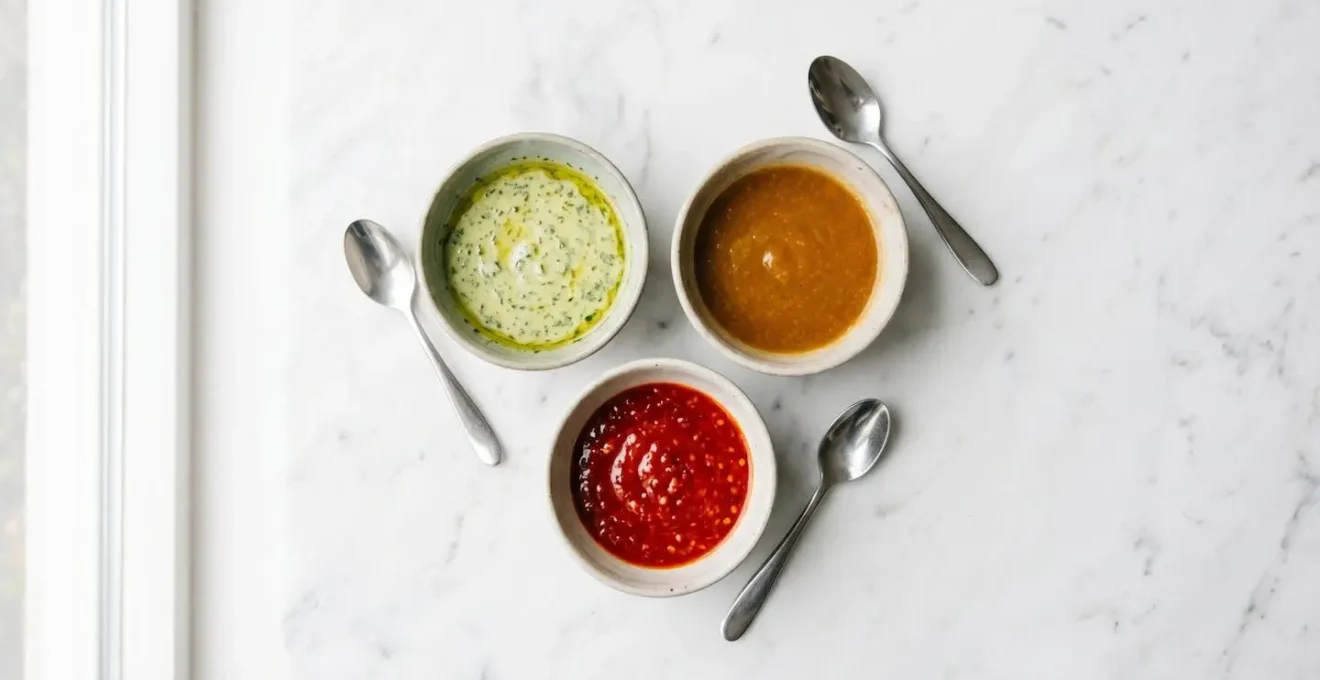
This approach allows you to keep the base dish approachable for everyone while inviting adventurous eaters to customize their meal. You can present a beautifully roasted protein or vegetable with a mild, aromatic base seasoning, and then offer a vibrant chimichurri, a fiery harissa, and a cooling yogurt-dill sauce on the side. This not only solves the palate problem but also adds visual appeal and a conversational element to the meal. It’s the ultimate expression of hospitality: honoring your own taste while respecting the comfort of your guests.
The next step is to take this framework to your potential caterers. Use these points to ask pointed questions about their execution capabilities, their staffing ratios, and their experience with menus like yours at your specific guest count. A great caterer will welcome this detailed discussion, seeing it as a collaboration to build a truly executable and unforgettable culinary plan.